Passion Flower for Sleep: What the Science Says
Passion Flower for Sleep: What the Science Actually Says
If you've been relying on melatonin to fall asleep but find yourself building tolerance or experiencing vivid dreams and morning grogginess, it's time to meet passion flower—a gentle yet powerful herbal sleep aid without melatonin that works through an entirely different mechanism. Unlike melatonin, which simply tells your body it's time to sleep, passion flower addresses the root cause of sleeplessness for millions: an overactive, anxious mind that refuses to shut down.
Passion flower (Passiflora incarnata) has emerged from centuries of traditional use into the spotlight of modern neuroscience, and the results are fascinating. This stunning purple flowering vine doesn't just knock you out—it fundamentally calms your nervous system, making it one of the most effective herbs for sleep and anxiety available today. If you've struggled with racing thoughts at bedtime or wake up multiple times during the night, this might be the natural remedy for deep sleep you've been searching for.
Why Passion Flower Deserves Its Moment
Let's be honest: the natural sleep supplement market is saturated. You've probably already tried melatonin, maybe dabbled with valerian root or chamomile tea. But passion flower operates on a different level entirely, and the growing community of users on social media platforms are catching on fast.
What makes passion flower particularly compelling is its dual-action benefit: it's simultaneously one of the best herbal sleep aids and an effective anxiety reducer. This isn't just folk medicine talking—a comprehensive July 2025 systematic review published in MDPI revealed that passion flower's therapeutic potential extends far beyond simple GABA modulation, involving multiple neurotransmitter systems including serotonergic, dopaminergic, and even opioidergic pathways.
The Science Behind Passion Flower's Calming Power
Here's where things get really interesting. At the molecular level, passion flower works primarily through the GABA (gamma-aminobutyric acid) system—the brain's natural "off switch" that reduces neuronal excitability and promotes relaxation. But unlike synthetic medications that simply flood your brain with GABA or force GABA receptors open, passion flower works more intelligently.
The GABA Connection: Your Brain's Natural Brake System
GABA is the brain's primary inhibitory neurotransmitter, essentially acting as a brake pedal for your thoughts and anxiety. When GABA levels are optimal, you feel calm, focused, and able to transition smoothly into sleep. When they're depleted—often from chronic stress, poor diet, or excessive stimulant use—you get the racing thoughts, muscle tension, and sleep resistance that plague modern life.
Groundbreaking Research: A 2010 PMC study using hippocampal slices demonstrated that passion flower extract induces prominent, dose-dependent GABA_A currents. The extract binds to both GABA_A and GABA_B receptors while also inhibiting GABA uptake into brain cells—meaning more GABA stays active in your synapses for longer periods.
What's remarkable is that passion flower doesn't just work on one aspect of the GABA system. According to research published in Phytomedicine, passion flower extract:
- Inhibits GABA reuptake (keeping calming signals active longer)
- Binds to GABA_A receptors (promoting relaxation)
- Acts as an antagonist at GABA_B receptors (fine-tuning the response)
- Does NOT affect the benzodiazepine binding site (avoiding dependency issues)
This multi-target approach explains why passion flower feels different from pharmaceutical sleep aids. You're not being sedated—you're being naturally calmed.
Beyond GABA: The Multi-Pathway Approach
While GABA modulation gets most of the attention, cutting-edge 2025 research reveals passion flower's effects extend much further. The systematic review mentioned earlier identified additional mechanisms including:
- Serotonergic modulation: Influencing mood and sleep-wake cycles
- Monoamine oxidase inhibition: Potentially extending the activity of calming neurotransmitters
- Antioxidant and anti-inflammatory properties: Protecting brain cells from stress damage
- HPA axis regulation: Helping normalize your body's stress response system
This explains why users report benefits beyond just falling asleep faster. Many describe improved mood, better stress resilience, and enhanced emotional regulation—benefits that compound over time.

Passion Flower vs. Melatonin: Understanding the Key Differences
If you've been using melatonin with diminishing returns, here's why passion flower might be the superior choice for your situation:
| Feature | Melatonin | Passion Flower |
|---|---|---|
| Primary Mechanism | Signals sleep timing (circadian rhythm) | Reduces anxiety & neuronal excitability |
| Best For | Jet lag, shift work, circadian rhythm issues | Anxiety-related insomnia, racing thoughts |
| Tolerance Issues | Can develop with regular use | Safe for long-term use without tolerance |
| Morning Grogginess | Common, especially with higher doses | Rare; most wake feeling refreshed |
| Vivid Dreams | Very common side effect | Infrequent; some report improved dream recall |
| Anxiety Relief | Minimal to none | Significant anxiolytic effects |
| Onset Time | 30-60 minutes | 30-60 minutes |
As our comprehensive comparison of natural sleep aids detailed, the best choice depends on the root cause of your sleep issues. If your problem is a miscalibrated body clock, melatonin makes sense. But if anxiety, stress, or an overactive mind keeps you awake, passion flower targets the actual problem rather than just masking it.
Traditional Wisdom Meets Modern Validation
Passion flower's use as a calming herb stretches back centuries. Native American tribes, particularly in the southeastern United States, used passion flower leaves topically for wounds and prepared the roots to treat infections. But it was the aerial parts—brewed into tea—that became renowned for their profound nervous system calming effects.
When European herbalists encountered passion flower in the 16th century, they quickly adopted it into their materia medica for treating insomnia, nervousness, and gastrointestinal upset linked to stress. By the 19th century, it had earned a place in the pharmacopoeias of Great Britain, the United States, India, France, Germany, and Switzerland—a testament to its recognized therapeutic value across cultures.
Today, passion flower is experiencing a renaissance as people seek natural remedies for deep sleep that don't come with the baggage of pharmaceutical sleep aids. Modern research is validating what traditional healers knew: this unassuming purple flower holds genuine power over anxiety and sleep disorders.

How to Use Passion Flower: Preparation Methods and Practical Tips
One of passion flower's advantages is its versatility. Unlike some herbs that only work in specific preparations, passion flower maintains its effectiveness across multiple formats, allowing you to choose what fits your lifestyle best.
Passion Flower Tea: The Gentle Evening Ritual
Tea remains the most popular and accessible form, perfect for those who appreciate the ritual aspect of preparing for sleep. The warm liquid itself promotes relaxation, and the aromatic compounds released during steeping add aromatherapeutic benefits.
How to Prepare Passion Flower Tea:
- Use 1-2 teaspoons of dried passion flower (leaves and flowers)
- Pour 8 oz of water just off the boil (about 200°F/93°C) over the herb
- Steep covered for 10-15 minutes (longer for stronger effects)
- Strain and drink 30-60 minutes before bedtime
- Can be consumed up to three times daily for anxiety management
Pro tip: Combine passion flower with other calming herbs like chamomile, lemon balm, or valerian for synergistic effects. Many users report the combination works better than any single herb alone. Just like you might optimize your bedroom environment with affordable smart home devices that create the perfect sleep atmosphere, combining herbs creates an optimized internal environment for rest.
Tinctures: Fast-Acting Liquid Extracts
For those who need faster absorption or don't enjoy tea, alcohol-based tinctures offer concentrated potency in convenient dropper bottles. The alcohol serves as both preservative and carrier, helping active compounds cross into your bloodstream quickly.
Standard Tincture Dosing:
- For acute anxiety: 30-60 drops (1-2 dropperfuls) as needed, up to 3-4 times daily
- For sleep support: 60-80 drops in water or juice 30-60 minutes before bed
- Typical concentration: 1:2 or 1:5 ratio in 40% alcohol
Capsules and Tablets: Consistent, Measured Dosing
For those who prefer convenience and precise dosing, standardized capsules offer the most reliable option. This format is particularly useful for people new to herbs who want to ensure they're getting consistent amounts of active compounds.
Clinical Research Dosages:
- For mild to moderate anxiety: 250-500mg of standardized extract daily
- For sleep support: 500-1000mg taken 1 hour before bedtime
- Comparative study dosage: 45 drops of liquid extract showed equivalence to 30mg oxazepam over 28 days
A December 2024 systematic review on ResearchGate noted that standardized tablets containing 200mg dry extract (equivalent to 700-1000mg of passionflower) showed significant clinical efficacy when used adjunctively for neuropsychiatric symptoms in adolescents and young adults.
The Optimal Dosing Strategy: Start Low, Go Slow
While passion flower has an excellent safety profile, individual responses vary significantly based on factors like body weight, metabolism, existing medications, and the severity of symptoms. Here's a practical, evidence-based approach:
Evidence-Based Dosing Protocol
Week 1 - Assessment Phase:
- Start with the lowest effective dose (1 cup tea or 250mg capsule)
- Take 60 minutes before your target bedtime
- Keep a simple sleep journal noting: time to fall asleep, nighttime awakenings, morning energy level, any side effects
Week 2-3 - Optimization Phase:
- If minimal effect after 4-5 days, increase by 25-50% (add another half cup of tea or increase to 500mg capsule)
- Continue monitoring response in your sleep journal
- Notice whether benefits extend to daytime anxiety levels
Week 4+ - Maintenance Phase:
- Once you've found your optimal dose, maintain consistency
- Consider cycling: 5 days on, 2 days off to prevent any potential tolerance (though rare with passion flower)
- Reassess monthly and adjust as sleep patterns improve
Important note from clinical research: Studies typically limit oral use to 8 weeks for conservative safety, though traditional use suggests longer-term consumption is well-tolerated. If you need support beyond 8 weeks, consult with a healthcare practitioner familiar with herbal medicine.
Real-World Results: What the Research Shows
Clinical trials on passion flower paint an encouraging picture, though researchers consistently call for larger, more rigorous studies. Here's what the current evidence tells us:
Sleep Quality Improvements
In a double-blind study with 41 participants, those who drank passion flower tea for seven days reported significantly better sleep quality than the placebo group. Polysomnography (objective sleep measurement) confirmed the subjective reports weren't just placebo effects—participants actually achieved deeper, more restorative sleep stages.
Another study found that 60mg of passion flower extract extended total sleep time while reducing the time needed to fall asleep. These effects were consistent across participants, suggesting reliable efficacy.
Anxiety Reduction
Perhaps even more impressive are the anxiety studies. In a randomized controlled trial, 45 drops of passion flower extract daily matched the anxiety-reducing effects of oxazepam (a prescription benzodiazepine) after 28 days of treatment. The key difference? Passion flower didn't impair job performance during the day, while oxazepam did.
A 2025 study on patients undergoing surgery found that those given passion flower 90 minutes before the procedure showed significantly lower anxiety scores compared to placebo, measured by standardized numerical rating scales at multiple time points.
Memory and Cognitive Benefits
Intriguingly, multiple studies have noted that unlike benzodiazepines which impair memory, passion flower appears to enhance it. A 2016 clinical trial in rats found that passion flower decreased anxiety while simultaneously improving memory performance. This dual benefit is attributed to its effects on serotonergic and glutaminergic neurotransmission.
For those interested in understanding how these mechanisms integrate with your body's natural sleep systems, our guide on chronobiology and optimizing circadian rhythms provides complementary insights.
Combining Passion Flower: Synergistic Herbal Blends
One of passion flower's underappreciated strengths is how beautifully it plays with other calming herbs. Herbalists have long combined it with complementary plants to create more comprehensive formulas.
Popular Evidence-Based Combinations:
- Passion Flower + Valerian Root: Complementary GABA mechanisms; valerian for sleep onset, passion flower for sleep maintenance and anxiety
- Passion Flower + L-Theanine: Dual approach to calming mental chatter without sedation; great for daytime anxiety
- Passion Flower + Magnesium Glycinate: Passion flower for mental calm, magnesium for physical relaxation and muscle tension
- Passion Flower + Skullcap: Traditional combination for nervous system overstimulation and racing thoughts
- Passion Flower + Chamomile + Lemon Balm: Gentle triple-herb blend for beginners; all three enhance GABA activity through slightly different mechanisms
When you're traveling and trying to maintain sleep quality in unfamiliar environments, combining passion flower tea with essential travel technology like portable sound machines and sleep trackers creates a comprehensive approach to jet lag and travel-related insomnia.
Safety Profile: What You Need to Know
Passion flower's safety record is generally excellent, but like any therapeutic substance, there are important considerations:
Common Side Effects (Rare)
- Drowsiness (which is desired at bedtime, but avoid driving/operating machinery within 4 hours of taking)
- Dizziness in some individuals
- Mild confusion or mental fogginess (usually with high doses)
- Rare reports of nausea or upset stomach
Important Contraindications
- Pregnancy and Breastfeeding: Not recommended; insufficient safety data
- Sedative Medications: Can amplify effects of prescription sleep aids, benzodiazepines, or other CNS depressants—consult your doctor before combining
- MAO Inhibitor Medications: Passion flower contains mild MAO inhibitors; combining with prescription MAOIs could be problematic
- Pre-Surgery: Discontinue at least 2 weeks before scheduled surgery due to potential interaction with anesthetics
- Liver Concerns: Very rare reports of liver issues; if you have existing liver disease, use only under medical supervision
Research Note: A June 2025 study in the journal Adolescents found passion flower tablets (200mg dry extract) safe and well-tolerated when used adjunctively in children and adolescents with eating disorders, anxiety, and insomnia. No serious adverse events were reported, suggesting a favorable safety profile even in vulnerable populations when properly supervised.
Quality Matters: Sourcing Your Passion Flower
Not all passion flower products are created equal. The FDA doesn't regulate herbal supplements as strictly as pharmaceuticals, so quality varies wildly between brands. Look for:
- Third-party testing certifications (ConsumerLab, USP, NSF)
- Standardized extracts specifying active compound percentages
- Organic certification (passion flower can accumulate pesticides)
- Transparent sourcing information
- Recent harvest dates (potency degrades over time)
For those in Vanuatu and the Pacific region, sourcing quality dried herb locally or through verified international imports ensures you're getting authentic Passiflora incarnata rather than adulterated products.
Beyond Sleep: The Broader Wellness Applications
While we've focused primarily on sleep and anxiety, passion flower's benefits potentially extend into several other health domains that research is beginning to explore:
Pain Management
The July 2025 systematic review revealed passion flower's effects on opioidergic and nicotinic cholinergic systems, which are relevant to pain perception. Some users report reduced muscle tension and headache relief, though more research is needed in this area.
ADHD and Focus Issues
Interestingly, by calming background neural noise, passion flower may help some individuals with ADHD achieve better focus. The key seems to be reducing the anxiety and overstimulation that interferes with attention, rather than directly affecting dopamine pathways like stimulant medications.
Menopausal Symptoms
Studies have shown passion flower reduces hot flashes, night sweats, and the insomnia associated with menopause. A comparative trial found significant symptom reduction after 3-6 weeks of use, including improvements in depression and anger symptoms.
Withdrawal Support
Traditional use includes supporting people withdrawing from opiates or benzodiazepines. While this should only be attempted under medical supervision, passion flower's ability to calm the nervous system without creating dependency makes it a valuable adjunct therapy.
For comprehensive support during life transitions or stressful periods, combining herbal approaches with guided meditation and mindfulness practices creates a holistic framework for nervous system regulation.
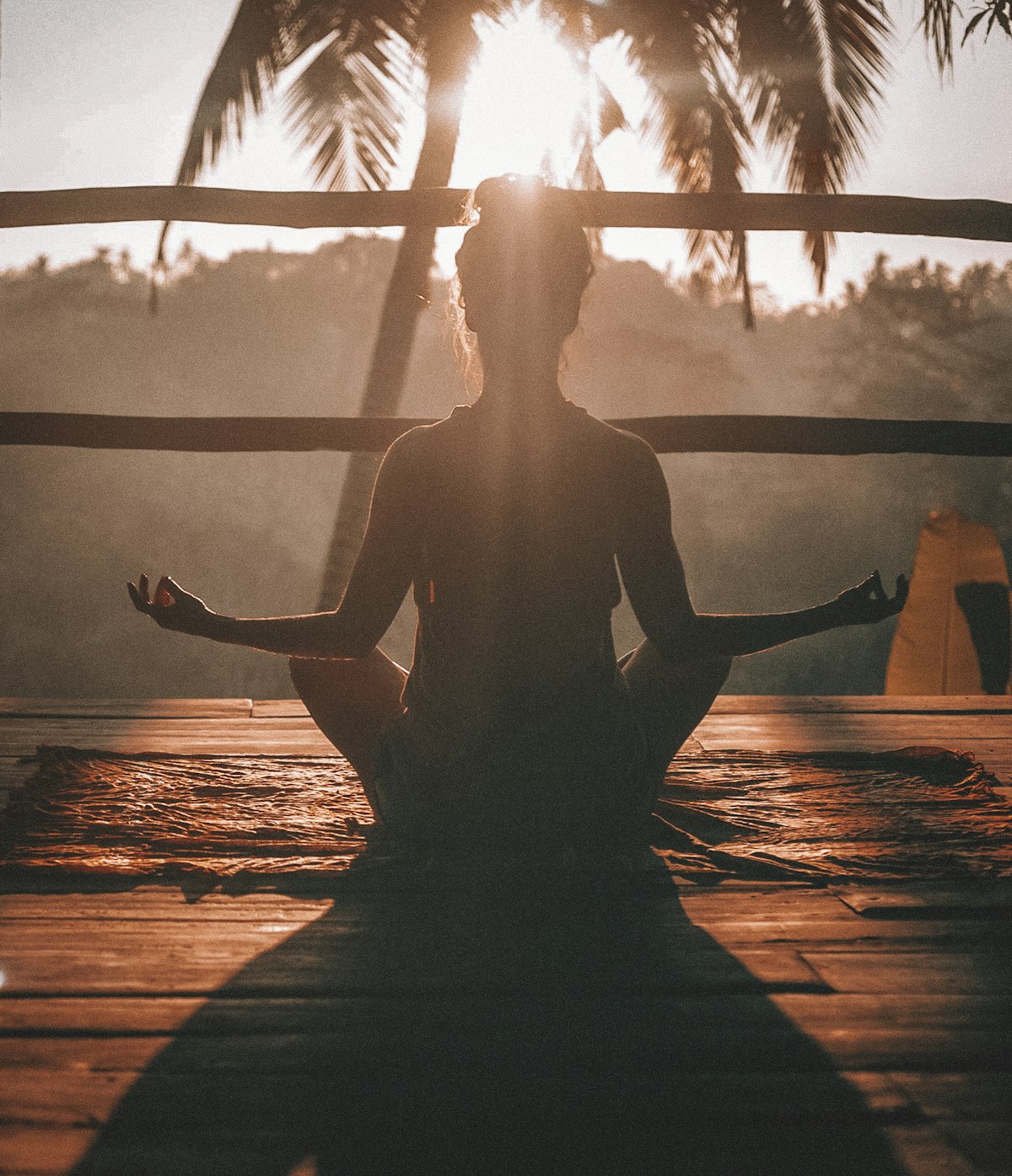
Creating Your Passion Flower Sleep Routine
The most successful approach combines passion flower with good sleep hygiene practices. Here's a science-backed evening routine that maximizes effectiveness:
The Ultimate Passion Flower Sleep Protocol
2 Hours Before Bed:
- Dim lights throughout your home; switch devices to night mode
- Turn off work email and put phone on do-not-disturb
- Light physical movement like gentle yoga or stretching
90 Minutes Before Bed:
- Begin brewing your passion flower tea or prepare your dosage
- Set bedroom temperature to 65-68°F (18-20°C)
- If you have smart speakers that integrate with your home automation system, program your sleep scene
60 Minutes Before Bed:
- Take your passion flower (tea, tincture, or capsule)
- Begin winding down activities: reading, journaling, light conversation
- No screens (or blue-light blocking glasses if unavoidable)
30 Minutes Before Bed:
- Warm shower or bath (the temperature drop afterward promotes sleepiness)
- Put on comfortable sleepwear
- Final bathroom visit
Bedtime:
- Keep bedroom completely dark and quiet
- If thoughts intrude, don't fight them—acknowledge and let them pass like clouds
- The passion flower should have quieted the intensity of thoughts, making this easier
Consistency is key. Your brain learns to associate this routine with sleep, creating a powerful psychological and physiological signal that bedtime is approaching.
The Verdict: Is Passion Flower Right for You?
After reviewing the scientific literature, traditional uses, and real-world experiences, passion flower stands out as a powerful herbal sleep aid without melatonin that deserves serious consideration—especially if:
- You struggle with anxiety-related insomnia or racing thoughts at bedtime
- Melatonin gives you vivid dreams, morning grogginess, or has stopped working effectively
- You want to avoid the dependency risks of prescription sleep medications
- You experience both daytime anxiety and nighttime sleep issues
- You're looking for a natural remedy for deep sleep that addresses root causes rather than just symptoms
- You prefer herbal medicine approaches and appreciate ritual
Passion flower won't work overnight miracles—most studies show optimal results after 1-2 weeks of consistent use. But for those willing to give it time, the benefits often extend beyond just better sleep into improved daytime mood, enhanced stress resilience, and better overall nervous system regulation.
Whether you're dealing with occasional sleepless nights or chronic anxiety that prevents rest, passion flower offers a gentle yet effective path forward. Unlike the quick fix of pharmaceutical sleep aids or the limited scope of melatonin, this remarkable purple flower addresses the fundamental nervous system dysregulation at the root of modern sleep struggles.
As we continue to understand more about the intricate relationship between traditional herbal wisdom and modern neuroscience, passion flower stands as a shining example of how ancient remedies can hold up under scientific scrutiny. It's not magic—it's sophisticated botanical medicine that works with your body's own systems rather than overriding them.
Give it the 2-3 weeks it needs to build in your system, combine it with solid sleep hygiene, and you might just discover why this unassuming vine has been treasured as a sleep and anxiety remedy for centuries across cultures worldwide.
Disclaimer: This article is for informational purposes only and not intended as medical advice. Passion flower may interact with medications and is not appropriate for everyone. Always consult with a qualified healthcare provider before starting any new herbal supplement, especially if you're pregnant, nursing, taking medications, or have existing health conditions.
Comments
Post a Comment