Best Natural Sleep Aid 2026: Valerian vs Kava vs Magnesium
Best Natural Sleep Aid 2026: Valerian Kava or Magnesium?

If you've been tossing and turning at night, scrolling through your phone at 2 AM, or downing espresso just to function the next day, you're far from alone. Around 20% of adults experience occasional insomnia symptoms, and that number has been climbing steadily. The question is no longer whether natural sleep aids work, but which ones actually deliver on their promises.
After analyzing the latest 2025 clinical research, consulting with leading sleep physicians, and examining real-world effectiveness data, we've put together this definitive comparison of the strongest natural sleep aid supplements currently available. Whether you struggle with falling asleep or staying asleep through the night, we'll help you find the best natural sleep aid for your specific needs.
The Science Behind Natural Sleep Remedies
Before we dive into the showdown, it's worth understanding what makes these natural sleeping pills tick. Unlike prescription sleep medications that essentially knock you out, natural sleep aid supplements work with your body's existing systems to promote healthier sleep patterns.

According to a comprehensive 2025 literature review published in PMC, certain supplements work through modulating neurotransmitter systems like GABA and serotonin, while others regulate sleep-wake cycles through melatonin production. The key difference? They're generally safer for long-term use with fewer side effects than pharmaceutical options.
The Contenders: Our Top 4 Natural Sleep Aids
After extensive research and analysis, four natural sleep aid supplements consistently rise to the top. Let's examine each one before we crown our winners.
1. Magnesium: The Multitasking Mineral
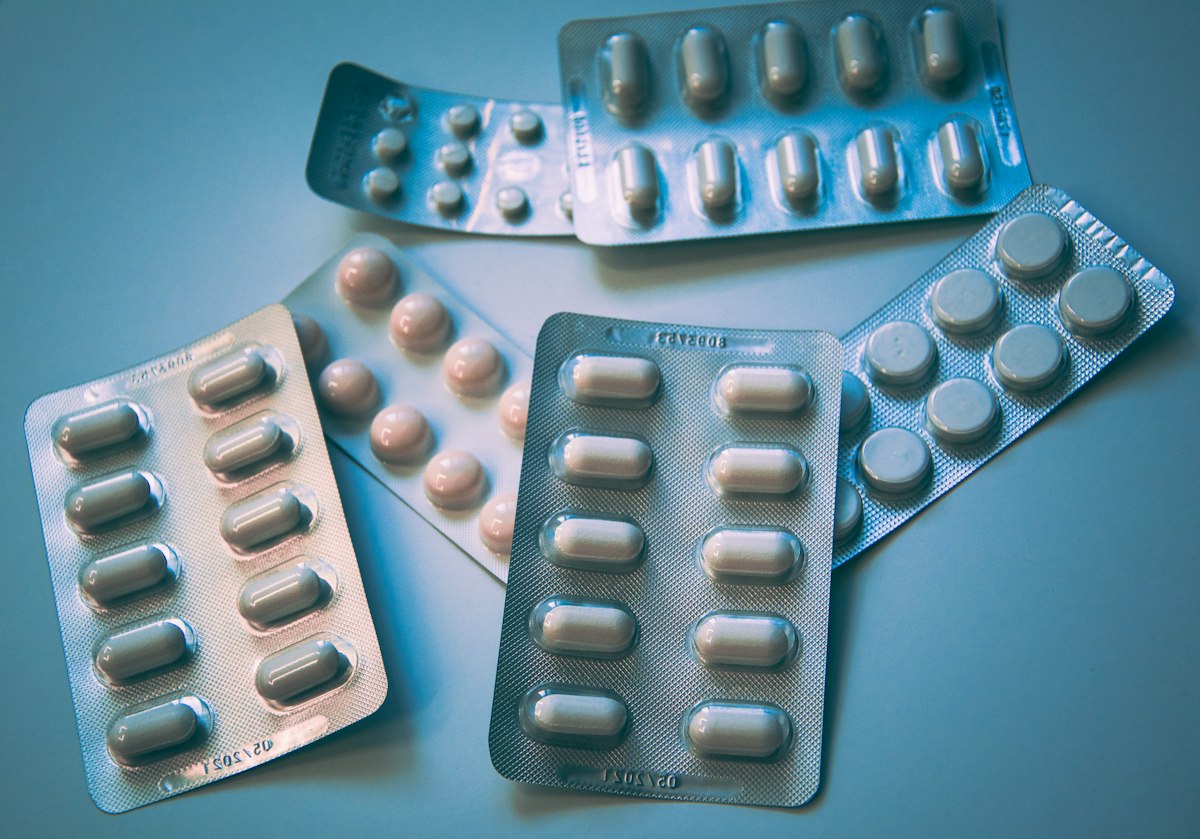
Magnesium isn't just about preventing muscle cramps. This essential mineral plays a role in over 300 biochemical reactions in your body, and emerging research shows it's fundamental for quality sleep. Nearly half of Americans are deficient in magnesium, which might explain why supplementation has shown promising results for chronic sleep issues.
The science is compelling: magnesium helps quiet the mind and body by regulating melatonin production and increasing GABA, the calming neurotransmitter. One 2025 study found that older adults with insomnia experienced significant improvements in sleep quality with magnesium supplementation.
However, here's the catch: studies suggest magnesium users fell asleep only 17 minutes faster on average. As National Geographic's October 2025 analysis notes, "It's not that huge of an effect, but it's not nothing."
Best for: Staying asleep through the night, reducing nighttime awakenings, and those with magnesium deficiency.
Recommended dosage: 200-400mg of magnesium glycinate before bed.
2. Valerian Root: The Ancient Sleep Herb
Valerian root has been the go-to natural sleep remedy since ancient Rome, and there's a reason it's stuck around for millennia. This herbal extract works by increasing GABA levels in the brain, similar to how prescription sedatives function, but with a gentler touch.
The evidence is mixed but intriguing. Recent 2025 research indicates that taking 300-600mg of valerian root up to an hour before bedtime can help people fall asleep faster and improve sleep quality. It's particularly effective for menopausal women experiencing hot flashes and sleep disruptions, as explored in detail on traditional herbal sleep remedies.
But here's the controversial part: a comprehensive Oxford Academic review published in May 2025 concluded that despite valerian's long traditional history, it "lacks adequate support to justify its use in individuals experiencing sleep disorders" based on rigorous clinical trial standards. The effects appear highly individual, with some people experiencing remarkable benefits while others notice minimal change.
Best for: Falling asleep faster, particularly for those with stress-induced insomnia or menopausal sleep issues.
Recommended dosage: 300-600mg standardized extract, 30-60 minutes before bed.
3. Passion Flower: The Gentle Relaxer

Passion flower offers a more subtle approach to sleep improvement. This wildflower, native to the Southeastern United States, works primarily by boosting GABA levels and reducing overstimulation in the brain, making it particularly effective for anxiety-related insomnia.
A groundbreaking comparative study published in May 2025 directly pitted passion flower against chamomile in treating primary insomnia. The results? Chamomile significantly outperformed passion flower on most sleep parameters, though passion flower still showed benefits in reducing sleep onset latency and daytime drowsiness.
That said, passion flower has carved out its niche. One clinical trial reported it may help ease anxiety symptoms in some people. It is not a substitute for prescription medication — talk to your doctor. For those seeking mindfulness and relaxation techniques combined with natural remedies, passion flower offers a gentler alternative without the zombie-like morning grogginess that stronger sedatives can cause.
Best for: Anxiety-related sleep issues, those sensitive to stronger sleep aids, and reducing racing thoughts at bedtime.
Recommended dosage: 400-500mg of standardized extract or 1-2ml of tincture before bed.
4. Kava: The Controversial Powerhouse
Kava presents the most complicated picture in our showdown. This Polynesian root has shown remarkable effectiveness in clinical trials, with studies demonstrating "good results in reducing anxiety and hypnotic effects." Research on kava combined with other herbs like passion flower shows synergistic benefits that exceed the sum of individual ingredients.
A 2025 randomized, placebo-controlled study found that participants taking standardized kava extract experienced significant improvements in sleep quality and reduced sleep latency compared to placebo groups, with objective polysomnography measurements backing up the subjective reports.
However, kava comes with a critical caveat: concerns about hepatotoxicity (liver damage) have led to prescribing restrictions in several countries. While recent reviews have questioned the initial reports of liver damage and suggested they may have been overstated, the FDA warning still stands. If you're considering kava, medical supervision is non-negotiable.
Best for: Severe anxiety-related insomnia when other options have failed (under medical supervision only).
Recommended dosage: Under 400mg per day of standardized extract, only with doctor approval.
The Head-to-Head Comparison
Now that we've examined each contender individually, let's see how they stack up against each other across key performance metrics:
| Sleep Aid | Effectiveness for Falling Asleep | Effectiveness for Staying Asleep | Scientific Evidence Rating | Safety Profile | Average Cost/Month |
|---|---|---|---|---|---|
| Magnesium Glycinate | Moderate (17 min faster) | High | Strong | Excellent | $12-20 |
| Valerian Root | Moderate-High | Moderate | Mixed/Moderate | Good | $15-25 |
| Passion Flower | Low-Moderate | Low-Moderate | Moderate | Excellent | $18-28 |
| Kava | High | High | Strong | Concerning* | $20-35 |
*Kava requires medical supervision due to potential liver concerns
Expert Insights: Building Your Sleep Stack
Here's where things get interesting. Leading sleep physicians aren't recommending single supplements anymore—they're advocating for strategic combinations that work synergistically.
This multi-pronged approach makes sense when you consider sleep's complexity. While you're optimizing your supplement routine, don't forget the basics: maintaining proper circadian rhythm timing through chronobiology principles remains fundamental. Even the strongest natural sleep aid can't overcome a bedroom filled with blue light from smart devices and AI-powered speakers.
The 2025 Verdict: Our Winners by Category
🏆 Best Overall Natural Sleep Aid: Magnesium Glycinate
For most people struggling with sleep issues, magnesium glycinate earns our top recommendation. It boasts the strongest safety profile, solid scientific backing, and benefits that extend beyond sleep to overall health. The 17-minute average improvement might seem modest, but combined with good sleep hygiene, it can make a meaningful difference. Plus, at around $15/month, it's the most cost-effective option.
🥈 Best for Falling Asleep Fast: Valerian Root
Despite mixed research results, valerian root wins for those specifically struggling to fall asleep. Its ability to work within 30-60 minutes makes it ideal for acute situations. The key is giving it time—many users report it works better after consistent use for 2-4 weeks. Just be prepared for potentially vivid dreams and morning grogginess in some cases.
🥉 Best for Anxiety-Related Sleep Issues: Passion Flower
If racing thoughts keep you awake, passion flower offers gentle but effective anxiety relief without the heavy sedation of stronger options. It's particularly valuable for people who need to maintain mental clarity the next day or who are sensitive to stronger sleep aids. Combine it with white noise from smart home devices for a comprehensive relaxation routine.
What About Combination Formulas?
Many commercial natural sleeping pills combine multiple ingredients—and the research supports this approach. A 2020 systematic review found that mixtures of valerian, passion flower, and hops extract produced "significant improvements in sleep time, sleep latency, number of nightly awakenings, and insomnia severity index after a 2-week treatment."
The synergistic effect means the whole becomes greater than the sum of its parts. Kava combined with passion flower, for instance, showed superior pharmacological effects compared to either extract administered separately. This explains why many sleep experts now recommend customized "sleep stacks" tailored to individual needs.
Safety Considerations You Can't Ignore
Here's the reality check: "natural" doesn't automatically mean "safe for everyone." Before adding any supplement to your routine, consider these critical factors:
Drug Interactions: Natural sleep aids can amplify the effects of prescription sedatives, antidepressants, and blood pressure medications. Magnesium can interact with antibiotics and osteoporosis medications. Always consult your doctor or pharmacist, especially if you're on other medications.
Pregnancy and Breastfeeding: Most herbal sleep aids haven't been adequately studied in pregnant or nursing women. Magnesium, glycine, and tryptophan are generally considered safe, but dosage matters. Skip valerian, passion flower, and definitely kava during these periods unless specifically directed by your healthcare provider.
Underlying Health Conditions: Persistent insomnia lasting more than two weeks might signal thyroid dysfunction, anxiety disorders, or nutrient deficiencies like iron or B12. Natural sleep aid supplements can mask these underlying issues. Don't use them as a band-aid for chronic sleep problems without medical evaluation.
Pro Tip: Start with one supplement at a time so you can accurately gauge its effects. Give it at least 2-3 weeks before adding another or deciding it's not working. Sleep improvements often build gradually rather than appearing overnight.
Beyond Supplements: The Foundation of Good Sleep
Even the strongest natural sleep aid won't overcome poor sleep habits. Before reaching for supplements, master these fundamentals:
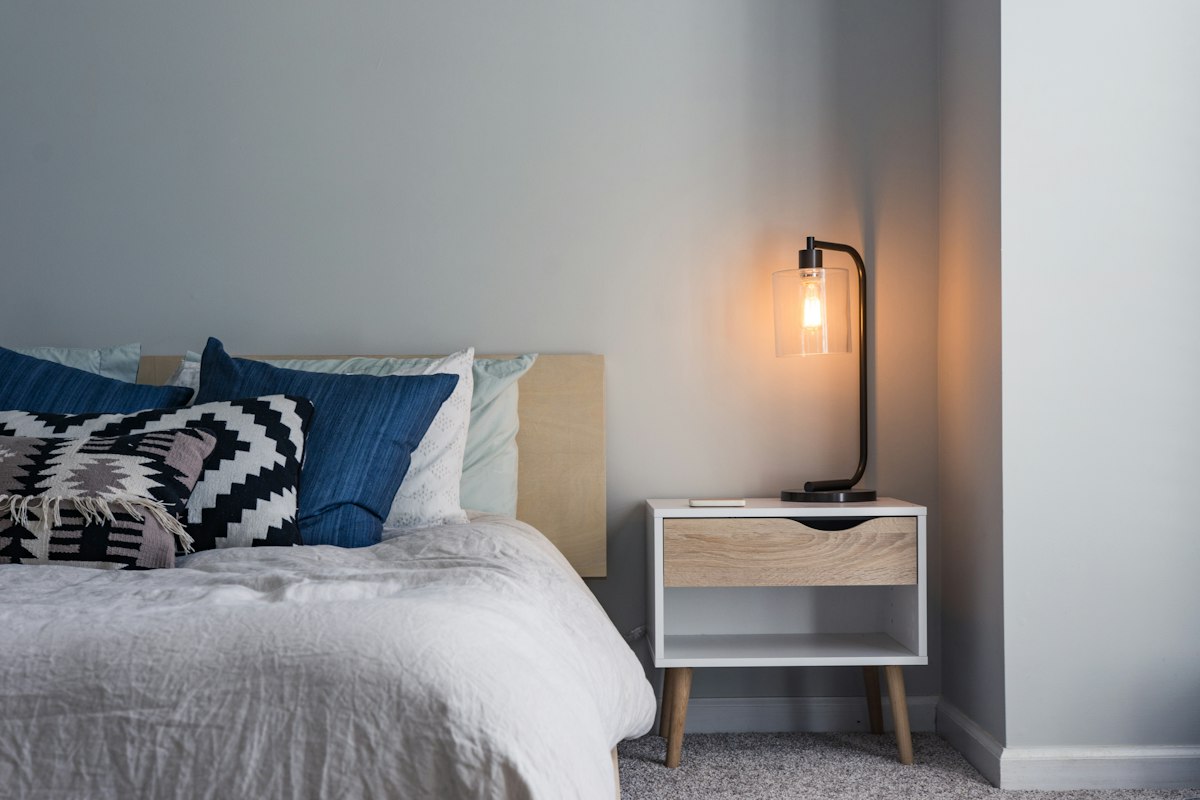
Sleep Environment Optimization: Your bedroom should be cool (60-67°F), dark, and quiet. If you're traveling frequently, check out these essential travel gadgets for maintaining sleep quality on the road, including portable white noise machines and sleep masks with built-in speakers.
Consistent Schedule: Your circadian rhythm thrives on predictability. Going to bed and waking at the same time daily—yes, even on weekends—makes a bigger difference than most people realize.
Screen Time Management: Blue light from devices suppresses melatonin production. If you must use technology before bed, at least enable night mode on your smartphones and tablets under $100 or use blue-light-blocking glasses.
Caffeine Timing: That afternoon coffee might be sabotaging your sleep 8 hours later. Cut off caffeine consumption at least 6-8 hours before bedtime.
When to Skip Natural Remedies and See a Doctor
Natural sleep aid supplements work best for mild to moderate occasional insomnia. But certain situations demand professional medical attention:
- Chronic insomnia lasting more than three months
- Loud snoring or gasping during sleep (potential sleep apnea)
- Extreme daytime fatigue despite adequate sleep time
- Insomnia accompanied by depression, anxiety, or mood changes
- Persistent early morning awakening (2-3 AM) that prevents returning to sleep
These symptoms might indicate sleep disorders like sleep apnea, restless leg syndrome, or underlying mental health conditions that require targeted treatment beyond supplements.
The Bottom Line: Your Personalized Sleep Strategy
After examining the latest 2025 research and real-world effectiveness data, here's our final recommendation framework:
Start Here: Magnesium glycinate (200-400mg) provides the best risk-to-benefit ratio for most people. It's safe for long-term use, affordable, and supports overall health beyond sleep. Combine it with solid sleep hygiene practices for maximum benefit.
If That's Not Enough: Add valerian root (300-600mg) 30-60 minutes before bed, particularly if falling asleep is your primary struggle. Give it 2-4 weeks of consistent use before judging effectiveness.
For Anxiety-Driven Insomnia: Passion flower (400-500mg) offers gentle anxiety relief without heavy sedation. It's also safe to combine with magnesium and doesn't typically cause morning grogginess.
Last Resort Option: Kava shows the strongest effects but comes with safety concerns that make it inappropriate as a first-line choice. Only consider it under medical supervision if other options have failed and anxiety is severe.
Remember, supplements are tools, not magic bullets. The people who get the best results combine them with evidence-based sleep practices, stress management, and lifestyle modifications. Quality sleep is built on multiple pillars—natural sleep aid supplements are just one piece of the puzzle.
Looking Ahead: The Future of Natural Sleep Science
As we move deeper into 2026, sleep research continues evolving. Emerging compounds like apigenin (from chamomile), L-theanine, and tart cherry extract show promise in preliminary studies. The trend is moving toward personalized sleep medicine, where genetic testing and sleep tracking data inform customized supplement protocols.

Wearable sleep trackers are becoming more sophisticated, potentially allowing us to correlate supplement use with objective sleep metrics like deep sleep percentage and REM cycles. This data-driven approach could help identify which natural sleeping pills work best for your unique physiology.
For now, start with the evidence-based options we've outlined, be patient with the process, and remember that consistent good sleep habits remain the foundation everything else builds upon. Sweet dreams aren't found in a bottle alone—they're cultivated through a holistic approach that respects your body's natural rhythms.
Disclaimer: This article is for informational purposes only and not intended as medical advice. Always consult with a qualified healthcare provider before starting any new supplement regimen, especially if you have existing health conditions or take medications.
Comments
Post a Comment