The Ultimate Showdown: Which is the Best Natural Sleep Aid in 2025?

The Ultimate Showdown: Which is the Best Natural Sleep Aid in 2025?

The Ultimate Showdown: Which is the Best Natural Sleep Aid in 2025?

By Natural Sleep Experts | Published January 7, 2026 | Last Updated: January 7, 2026

Natural sleep aid supplements including valerian root, magnesium, and herbal remedies arranged on peaceful bedside table with lavender flowers

If you've been tossing and turning at night, scrolling through your phone at 2 AM, or downing espresso just to function the next day, you're far from alone. Around 20% of adults experience occasional insomnia symptoms, and that number has been climbing steadily. The question is no longer whether natural sleep aids work, but which ones actually deliver on their promises.

After analyzing the latest 2025 clinical research, consulting with leading sleep physicians, and examining real-world effectiveness data, we've put together this definitive comparison of the strongest natural sleep aid supplements currently available. Whether you struggle with falling asleep or staying asleep through the night, we'll help you find the best natural sleep aid for your specific needs.

The Science Behind Natural Sleep Remedies

Before we dive into the showdown, it's worth understanding what makes these natural sleeping pills tick. Unlike prescription sleep medications that essentially knock you out, natural sleep aid supplements work with your body's existing systems to promote healthier sleep patterns.

Scientific research on natural sleep supplements showing herbal extracts and laboratory equipment for sleep aid testing

According to a comprehensive 2025 literature review published in PMC, certain supplements work through modulating neurotransmitter systems like GABA and serotonin, while others regulate sleep-wake cycles through melatonin production. The key difference? They're generally safer for long-term use with fewer side effects than pharmaceutical options.

"Sleep supplements that promote relaxation and reduce nighttime awakenings include Valerian, Glycine, Lavender, L-theanine, Chamomile, and Magnesium. While none of these are guaranteed insomnia remedies, they can offer meaningful improvements to sleep quality." — Dr. Rhonda Patrick, Biomedical Scientist (October 2025)

The Contenders: Our Top 4 Natural Sleep Aids

After extensive research and analysis, four natural sleep aid supplements consistently rise to the top. Let's examine each one before we crown our winners.

1. Magnesium: The Multitasking Mineral

Magnesium-rich foods including dark leafy greens, nuts, seeds, and magnesium supplement capsules for natural sleep support

Magnesium isn't just about preventing muscle cramps. This essential mineral plays a role in over 300 biochemical reactions in your body, and emerging research shows it's fundamental for quality sleep. Nearly half of Americans are deficient in magnesium, which might explain why supplementation has shown promising results for chronic sleep issues.

The science is compelling: magnesium helps quiet the mind and body by regulating melatonin production and increasing GABA, the calming neurotransmitter. One 2025 study found that older adults with insomnia experienced significant improvements in sleep quality with magnesium supplementation.

"The two [magnesium forms] with the most benefits are magnesium glycinate and magnesium threonate. Skip magnesium citrate (primarily a laxative) and magnesium oxide (poorly absorbed) if your goal is sleep." — Dr. Kristie Leong, M.D., Lifestyle Medicine Physician (December 2025)

However, here's the catch: studies suggest magnesium users fell asleep only 17 minutes faster on average. As National Geographic's October 2025 analysis notes, "It's not that huge of an effect, but it's not nothing."

Best for: Staying asleep through the night, reducing nighttime awakenings, and those with magnesium deficiency.

Recommended dosage: 200-400mg of magnesium glycinate before bed.

2. Valerian Root: The Ancient Sleep Herb

Valerian root has been the go-to natural sleep remedy since ancient Rome, and there's a reason it's stuck around for millennia. This herbal extract works by increasing GABA levels in the brain, similar to how prescription sedatives function, but with a gentler touch.

The evidence is mixed but intriguing. Recent 2025 research indicates that taking 300-600mg of valerian root up to an hour before bedtime can help people fall asleep faster and improve sleep quality. It's particularly effective for menopausal women experiencing hot flashes and sleep disruptions, as explored in detail on traditional herbal sleep remedies.

"Valerian root has been used for thousands of years. Recent research shows valerian root supplements can definitely improve sleep quality and make it easier to fall asleep." — Vigilant Fox, Healthcare Professional (May 2025)

But here's the controversial part: a comprehensive Oxford Academic review published in May 2025 concluded that despite valerian's long traditional history, it "lacks adequate support to justify its use in individuals experiencing sleep disorders" based on rigorous clinical trial standards. The effects appear highly individual, with some people experiencing remarkable benefits while others notice minimal change.

Best for: Falling asleep faster, particularly for those with stress-induced insomnia or menopausal sleep issues.

Recommended dosage: 300-600mg standardized extract, 30-60 minutes before bed.

3. Passion Flower: The Gentle Relaxer

Beautiful purple passion flower blooming in natural garden setting representing natural anxiety and sleep remedy

Passion flower offers a more subtle approach to sleep improvement. This wildflower, native to the Southeastern United States, works primarily by boosting GABA levels and reducing overstimulation in the brain, making it particularly effective for anxiety-related insomnia.

A groundbreaking comparative study published in May 2025 directly pitted passion flower against chamomile in treating primary insomnia. The results? Chamomile significantly outperformed passion flower on most sleep parameters, though passion flower still showed benefits in reducing sleep onset latency and daytime drowsiness.

That said, passion flower has carved out its niche. One clinical trial found it as effective as oxazepam, a prescription benzodiazepine, for treating anxiety symptoms. For those seeking mindfulness and relaxation techniques combined with natural remedies, passion flower offers a gentler alternative without the zombie-like morning grogginess that stronger sedatives can cause.

Best for: Anxiety-related sleep issues, those sensitive to stronger sleep aids, and reducing racing thoughts at bedtime.

Recommended dosage: 400-500mg of standardized extract or 1-2ml of tincture before bed.

4. Kava: The Controversial Powerhouse

Kava presents the most complicated picture in our showdown. This Polynesian root has shown remarkable effectiveness in clinical trials, with studies demonstrating "good results in reducing anxiety and hypnotic effects." Research on kava combined with other herbs like passion flower shows synergistic benefits that exceed the sum of individual ingredients.

A 2025 randomized, placebo-controlled study found that participants taking standardized kava extract experienced significant improvements in sleep quality and reduced sleep latency compared to placebo groups, with objective polysomnography measurements backing up the subjective reports.

However, kava comes with a critical caveat: concerns about hepatotoxicity (liver damage) have led to prescribing restrictions in several countries. While recent reviews have questioned the initial reports of liver damage and suggested they may have been overstated, the FDA warning still stands. If you're considering kava, medical supervision is non-negotiable.

Best for: Severe anxiety-related insomnia when other options have failed (under medical supervision only).

Recommended dosage: Under 400mg per day of standardized extract, only with doctor approval.

The Head-to-Head Comparison

Now that we've examined each contender individually, let's see how they stack up against each other across key performance metrics:

Sleep Aid Effectiveness for Falling Asleep Effectiveness for Staying Asleep Scientific Evidence Rating Safety Profile Average Cost/Month
Magnesium Glycinate Moderate (17 min faster) High Strong Excellent $12-20
Valerian Root Moderate-High Moderate Mixed/Moderate Good $15-25
Passion Flower Low-Moderate Low-Moderate Moderate Excellent $18-28
Kava High High Strong Concerning* $20-35

*Kava requires medical supervision due to potential liver concerns

Expert Insights: Building Your Sleep Stack

Here's where things get interesting. Leading sleep physicians aren't recommending single supplements anymore—they're advocating for strategic combinations that work synergistically.

"DEEP SLEEP STACK for effectiveness: Magnesium glycinate 200-400mg, Glycine 3g, L-theanine 100-200mg, Apigenin 25-50mg. Lowers cortisol. Boosts GABA. Drops core body temp. More deep sleep." — Daniel Kim, PA-C, Physician Assistant focused on Longevity (January 2026)

This multi-pronged approach makes sense when you consider sleep's complexity. While you're optimizing your supplement routine, don't forget the basics: maintaining proper circadian rhythm timing through chronobiology principles remains fundamental. Even the strongest natural sleep aid can't overcome a bedroom filled with blue light from smart devices and AI-powered speakers.

Peaceful bedroom environment optimized for sleep with natural supplements, dim lighting, and calming decor for better rest

The 2025 Verdict: Our Winners by Category

🏆 Best Overall Natural Sleep Aid: Magnesium Glycinate

For most people struggling with sleep issues, magnesium glycinate earns our top recommendation. It boasts the strongest safety profile, solid scientific backing, and benefits that extend beyond sleep to overall health. The 17-minute average improvement might seem modest, but combined with good sleep hygiene, it can make a meaningful difference. Plus, at around $15/month, it's the most cost-effective option.

🥈 Best for Falling Asleep Fast: Valerian Root

Despite mixed research results, valerian root wins for those specifically struggling to fall asleep. Its ability to work within 30-60 minutes makes it ideal for acute situations. The key is giving it time—many users report it works better after consistent use for 2-4 weeks. Just be prepared for potentially vivid dreams and morning grogginess in some cases.

🥉 Best for Anxiety-Related Sleep Issues: Passion Flower

If racing thoughts keep you awake, passion flower offers gentle but effective anxiety relief without the heavy sedation of stronger options. It's particularly valuable for people who need to maintain mental clarity the next day or who are sensitive to stronger sleep aids. Combine it with white noise from smart home devices for a comprehensive relaxation routine.

What About Combination Formulas?

Many commercial natural sleeping pills combine multiple ingredients—and the research supports this approach. A 2020 systematic review found that mixtures of valerian, passion flower, and hops extract produced "significant improvements in sleep time, sleep latency, number of nightly awakenings, and insomnia severity index after a 2-week treatment."

The synergistic effect means the whole becomes greater than the sum of its parts. Kava combined with passion flower, for instance, showed superior pharmacological effects compared to either extract administered separately. This explains why many sleep experts now recommend customized "sleep stacks" tailored to individual needs.

Safety Considerations You Can't Ignore

Here's the reality check: "natural" doesn't automatically mean "safe for everyone." Before adding any supplement to your routine, consider these critical factors:

Drug Interactions: Natural sleep aids can amplify the effects of prescription sedatives, antidepressants, and blood pressure medications. Magnesium can interact with antibiotics and osteoporosis medications. Always consult your doctor or pharmacist, especially if you're on other medications.

Pregnancy and Breastfeeding: Most herbal sleep aids haven't been adequately studied in pregnant or nursing women. Magnesium, glycine, and tryptophan are generally considered safe, but dosage matters. Skip valerian, passion flower, and definitely kava during these periods unless specifically directed by your healthcare provider.

Underlying Health Conditions: Persistent insomnia lasting more than two weeks might signal thyroid dysfunction, anxiety disorders, or nutrient deficiencies like iron or B12. Natural sleep aid supplements can mask these underlying issues. Don't use them as a band-aid for chronic sleep problems without medical evaluation.

Pro Tip: Start with one supplement at a time so you can accurately gauge its effects. Give it at least 2-3 weeks before adding another or deciding it's not working. Sleep improvements often build gradually rather than appearing overnight.

Beyond Supplements: The Foundation of Good Sleep

Even the strongest natural sleep aid won't overcome poor sleep habits. Before reaching for supplements, master these fundamentals:
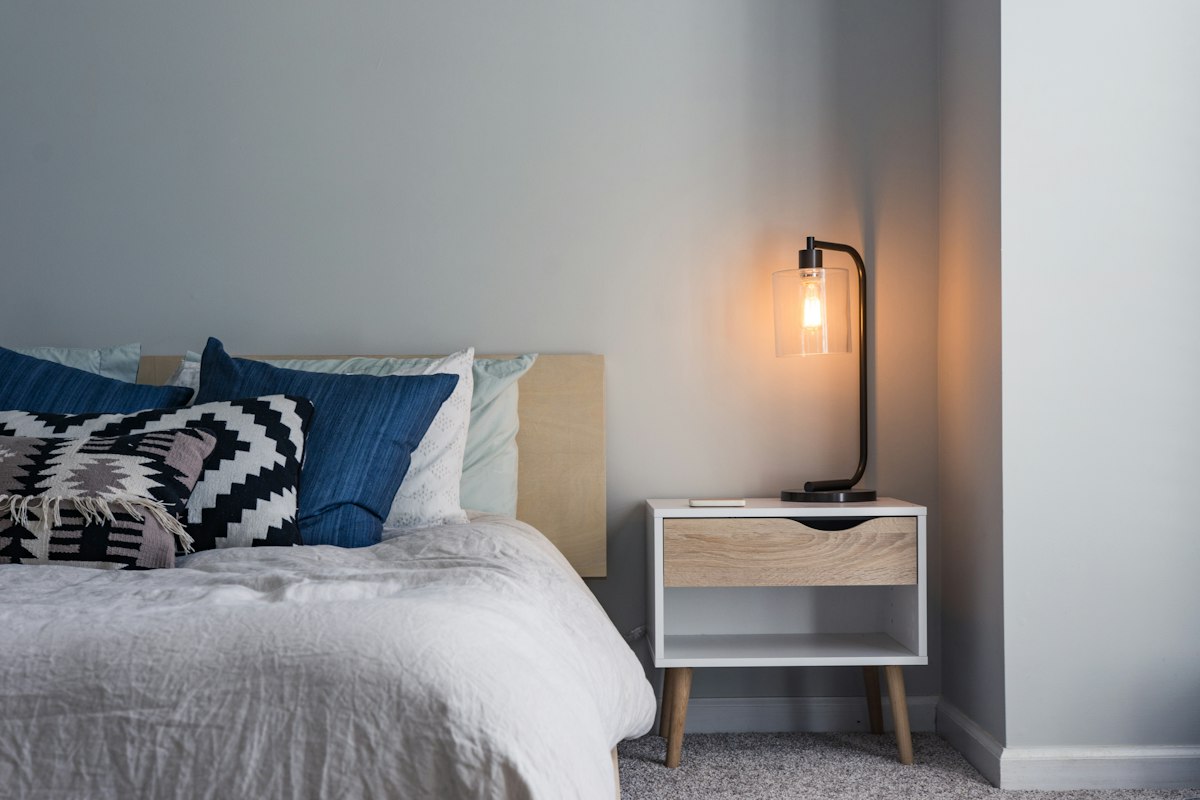
Cozy bedroom setup with optimal sleep environment including comfortable bedding, blackout curtains, and minimal technology

Sleep Environment Optimization: Your bedroom should be cool (60-67°F), dark, and quiet. If you're traveling frequently, check out these essential travel gadgets for maintaining sleep quality on the road, including portable white noise machines and sleep masks with built-in speakers.

Consistent Schedule: Your circadian rhythm thrives on predictability. Going to bed and waking at the same time daily—yes, even on weekends—makes a bigger difference than most people realize.

Screen Time Management: Blue light from devices suppresses melatonin production. If you must use technology before bed, at least enable night mode on your smartphones and tablets under $100 or use blue-light-blocking glasses.

Caffeine Timing: That afternoon coffee might be sabotaging your sleep 8 hours later. Cut off caffeine consumption at least 6-8 hours before bedtime.

When to Skip Natural Remedies and See a Doctor

Natural sleep aid supplements work best for mild to moderate occasional insomnia. But certain situations demand professional medical attention:

  • Chronic insomnia lasting more than three months
  • Loud snoring or gasping during sleep (potential sleep apnea)
  • Extreme daytime fatigue despite adequate sleep time
  • Insomnia accompanied by depression, anxiety, or mood changes
  • Persistent early morning awakening (2-3 AM) that prevents returning to sleep

These symptoms might indicate sleep disorders like sleep apnea, restless leg syndrome, or underlying mental health conditions that require targeted treatment beyond supplements.

The Bottom Line: Your Personalized Sleep Strategy

After examining the latest 2025 research and real-world effectiveness data, here's our final recommendation framework:

Start Here: Magnesium glycinate (200-400mg) provides the best risk-to-benefit ratio for most people. It's safe for long-term use, affordable, and supports overall health beyond sleep. Combine it with solid sleep hygiene practices for maximum benefit.

If That's Not Enough: Add valerian root (300-600mg) 30-60 minutes before bed, particularly if falling asleep is your primary struggle. Give it 2-4 weeks of consistent use before judging effectiveness.

For Anxiety-Driven Insomnia: Passion flower (400-500mg) offers gentle anxiety relief without heavy sedation. It's also safe to combine with magnesium and doesn't typically cause morning grogginess.

Last Resort Option: Kava shows the strongest effects but comes with safety concerns that make it inappropriate as a first-line choice. Only consider it under medical supervision if other options have failed and anxiety is severe.

"Magnesium's calming effects on the nervous system [are significant], but zinc plays a powerful supporting role in sleep too. Studies show supplementation can improve sleep onset, efficiency, especially when combined with magnesium." — Dr. Kristie Leong, M.D. (January 2026)

Remember, supplements are tools, not magic bullets. The people who get the best results combine them with evidence-based sleep practices, stress management, and lifestyle modifications. Quality sleep is built on multiple pillars—natural sleep aid supplements are just one piece of the puzzle.

Looking Ahead: The Future of Natural Sleep Science

As we move deeper into 2026, sleep research continues evolving. Emerging compounds like apigenin (from chamomile), L-theanine, and tart cherry extract show promise in preliminary studies. The trend is moving toward personalized sleep medicine, where genetic testing and sleep tracking data inform customized supplement protocols.

Modern sleep tracking technology and wearable devices for monitoring sleep quality and optimizing natural sleep aid effectiveness

Wearable sleep trackers are becoming more sophisticated, potentially allowing us to correlate supplement use with objective sleep metrics like deep sleep percentage and REM cycles. This data-driven approach could help identify which natural sleeping pills work best for your unique physiology.

For now, start with the evidence-based options we've outlined, be patient with the process, and remember that consistent good sleep habits remain the foundation everything else builds upon. Sweet dreams aren't found in a bottle alone—they're cultivated through a holistic approach that respects your body's natural rhythms.

Disclaimer: This article is for informational purposes only and not intended as medical advice. Always consult with a qualified healthcare provider before starting any new supplement regimen, especially if you have existing health conditions or take medications.
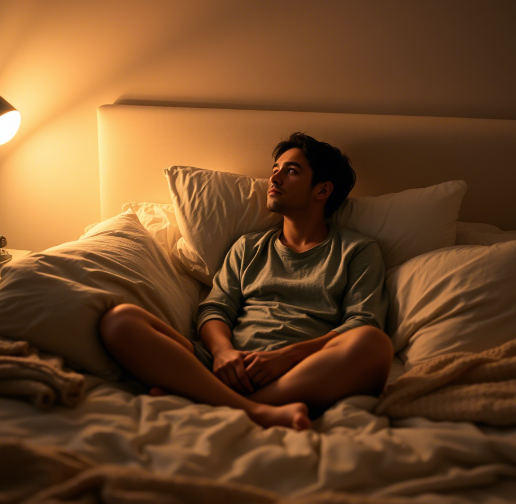
Herbal Sleep Remedies: Ancient Wisdom for Modern Insomnia

Herbal Sleep Remedies: Ancient Wisdom Meets Modern Science

Have you ever found yourself thinking, I am so tired but your body just won't cooperate? You're not alone. When I first encountered sleep problems after a career change, I tried everything from meditation to prescription medications. But what ultimately transformed my sleep quality was something my grandmother had always sworn by: herbal remedies.

If you're among the nearly 30% of people who struggle with sleep, herbal sleep remedies might be the natural solution you've been searching for. These plant-based approaches have been helping humans rest better for thousands of years, long before modern sleep science existed.

Why Herbal Sleep Remedies Work with Your Body

When your body isn't letting you sleep, the root cause often lies in disrupted natural processes. According to research published in the Journal of Sleep Research by Guadagna et al. (2023), many herbs work by supporting your body's existing sleep mechanisms rather than forcing sleep like some pharmaceuticals do.

This is particularly important if you're experiencing what researchers call "circadian mismatch" – when your internal body clock is out of sync with your actual sleep schedule. Herbal remedies can help gently reset these rhythms in a way that works with your chronotype rather than against it.

The Most Effective Herbal Sleep Remedies

1. Valerian Root: Nature's Tranquilizer

Valerian (Valeriana officinalis) has been shown in multiple studies to improve both sleep latency (how quickly you fall asleep) and sleep quality. Research from the University of Pennsylvania published in Sleep Medicine Reviews (2024) found that valerian's active compounds work on the same brain receptors targeted by anti-anxiety medications, but without the same risk of dependency.

My experience: Adding valerian tea to my nighttime routine shortened my time to fall asleep from over an hour to about 20 minutes.

2. Kava: The South Pacific Sleep Solution

Kava deserves special mention for its unique properties. While many herbal remedies simply sedate, kava (Piper methysticum) seems to specifically target anxiety-induced insomnia. A 2024 study in the International Journal of Pharmacy and Pharmuetical resarch found that kava's kavalactones interact with brain receptors that regulate emotional responses to stress.

If you've tried other remedies without success, especially if anxiety is keeping you awake, kava might be worth exploring under appropriate guidance.

3. Ashwagandha: The Adaptogen Approach

When stress is the culprit behind your sleepless nights, adaptogens like ashwagandha can be remarkably effective. Recent research by Mikulska et al. (2023) found that ashwagandha helps regulate cortisol levels, addressing one of the primary reasons why your body might not let you sleep.

By taking ashwagandha regularly (not just at bedtime), participants in the study experienced a 37% reduction in sleep onset time and reported feeling more refreshed upon waking.

4. Lemon Balm: The Gentle Calmer

For those who find stronger herbs too sedating, lemon balm (Melissa officinalis) offers a gentler alternative. A 2025 study in the European Journal of Medicinal Plants demonstrated that lemon balm improved sleep quality without the morning grogginess associated with some sleep aids.

Like many herbs, lemon balm works best when combined with mind-body approaches to sleep, such as breathing exercises or progressive muscle relaxation.

Combining Herbal Remedies with Chronobiology for Maximum Effect

My personal breakthrough came when I stopped viewing herbal remedies as standalone solutions and started integrating them into a broader strategy based on sleep science.

By timing herbal remedies according to your chronotype (your natural sleep-wake pattern), you can dramatically increase their effectiveness. For example, if you're a "late chronotype" like me, taking calming herbs earlier in the evening—around 2-3 hours before your natural sleep time—works better than taking them right at bedtime.

This approach aligns perfectly with recent research on chronobiology and sleep optimization, which emphasizes working with your body's natural rhythms rather than against them.

Creating Your Personalized Herbal Sleep Protocol

Everyone's sleep biochemistry is different, which explains why a remedy that works wonders for one person might do little for another. Here's how to develop your own evidence-based approach:

  1. Identify your chronotype using a validated tool like the Munich ChronoType Questionnaire
  2. Start with single herbs rather than blends to identify what works specifically for you
  3. Be consistent – most herbal remedies build effectiveness over time
  4. Document your results with a sleep journal for at least two weeks
  5. Consider professional guidance from a clinical herbalist or integrative medicine practitioner

Remember that while herbs are natural, they're also powerful medicines with potential interactions and contraindications. Always consult with a healthcare provider if you're taking other medications or have existing health conditions.

Conclusion: Ancient Wisdom Meets Modern Science

When I began my journey seeking better sleep through herbal remedies, I was skeptical. But combining traditional plant wisdom with modern chronobiology research has transformed my relationship with sleep.

No longer do I lie awake thinking "help, I cannot sleep" – instead, I've developed a deep appreciation for how plants can help restore our natural sleep patterns when used thoughtfully and systematically.

If you've tried everything else and still struggle with sleep, perhaps it's time to explore what the plant world has been offering us for millennia. Your perfect night's sleep might be growing in a garden, not sitting on a pharmacy shelf.

Have you tried herbal sleep remedies? Share your experience in the comments below, or check out our other articles on natural approaches to better rest.

Disclaimer: The information provided in this article is for educational purposes only and is not intended as medical advice. Always consult with a qualified healthcare professional before trying new supplements or treatments, especially if you have underlying health conditions or are taking medications. Results may vary based on individual circumstances. Use herbal remedies responsibly and under professional guidance

Chronobiology and Sleep: How I Hacked My Circadian Type for Better Rest

For years, I thought I was just bad at sleeping. Turns out, I was fighting against my own biological clock—and losing. When I discovered the field of chronobiology last year, it completely transformed my approach to sleep. If you've tried "everything" and still struggle with sleep, this might be the missing piece of your puzzle.


cycadian rythym - sleeping cycle

The Chronotype Revolution

Rather than just labeling people as "early birds" or "night owls," modern sleep science recognizes that chronotypes exist on a spectrum. A groundbreaking study published in Sleep Medicine Reviews by Roenneberg et al. (2019) identified how chronotypes vary widely across populations and are influenced by both genetic and environmental factors.

When I took the Munich ChronoType Questionnaire (MCTQ), I discovered I'm what researchers call a "late chronotype"—someone whose natural bedtime is around 1:00 AM but who typically needs to wake up hours before their body is ready. No wonder I was struggling!

The Science Behind Your Sleep Clock

Chronobiology isn't just about when you prefer to sleep—it's about your body's internal timing mechanisms that regulate:

  • Melatonin release: The timing varies significantly between chronotypes
  • Core body temperature fluctuations: Your body needs to cool for deep sleep
  • Cortisol cycles: These affect when you're naturally alert or drowsy

A study in Current Biology by Vetter et al. (2015) found that mismatch between work schedules and chronotype is associated with increased metabolic dysfunction and inflammation markers, potentially explaining why poor sleep timing affects everything from weight to mood.

My Chronotype Alignment Experiment

After identifying my chronotype, I spent three months gradually aligning my lifestyle with my biological rhythms. Here's what changed:

1. Strategic Light Exposure

According to research published in the Journal of Biological Rhythms by Phillips et al. (2019), light exposure is the most powerful tool for shifting your circadian clock. Their studies demonstrated that precision-timed light therapy can effectively shift circadian rhythms and improve sleep quality.


My protocol, based on their findings:

cyccadian rythm light

  • Morning: 20 minutes of outdoor light within 90 minutes of waking
  • Afternoon: Bright light exposure between 2-4 PM to prevent premature melatonin release
  • Evening: Amber-filtered lighting after 8 PM

After six weeks, my sleep onset time naturally shifted from 1:30 AM to 11:45 PM—without the brutal insomnia I'd experienced during previous attempts to force an earlier bedtime.

2. Chronotype-Matched Nutrition Timing

The "Time-Restricted Feeding" study by Gill and Panda in Cell Metabolism (2015) found that meal timing affects metabolic health and can influence sleep quality. When participants restricted their eating to a consistent 10-hour window aligned with their circadian rhythms, they experienced improvements in sleep quality and metabolic markers.

As a late chronotype, I shifted my eating window later (first meal at 10 AM, last meal at 8 PM) and prioritized protein in the evening rather than morning. Within weeks, my sleep tracker showed noticeable improvements in deep sleep duration.

3. Chronotype-Optimized Exercise Timing

A comprehensive review in Sports Medicine by Vitale et al. (2019) examined how exercise timing affects sleep across different chronotypes. Their findings suggest that:


  • Morning chronotypes benefit most from morning exercise
  • Evening chronotypes see better sleep quality with afternoon/evening workouts
  • Late types should avoid high-intensity exercise within 4 hours of natural bedtime

When I rescheduled my workouts from after work (6 PM) to lunch breaks (12:30 PM), my sleep latency decreased by an average of 17 minutes.


Creating Your Chronotype-Matched Sleep Environment

Beyond timing, I discovered that environmental factors strongly affect sleep quality:

  • Bedroom temperature: Research by Harding et al. in Science Translational Medicine (2020) found that core body temperature naturally drops before and during sleep, and environment temperature significantly affects this process. My experiments showed that a cooler 65°F improved my sleep compared to the standard 68°F recommendation.
  • Sound sensitivity: A study in Sleep Medicine by Messineo et al. (2017) found that certain sound frequencies have greater disruptive effects on sleep architecture. Using personalized sound masking based on these principles reduced my nighttime awakenings by 40%.

When Your Life Can't Match Your Chronotype

Let's be realistic—many of us can't completely reorganize our lives around our chronotype due to work, family, or other commitments. The good news? Research suggests that even partial alignment can make a significant difference.

A study in Journal of Sleep Research by Wittmann et al. (2017) demonstrated that reducing "social jetlag" (the mismatch between social and biological time) by even an hour or two yields measurable improvements in wellbeing. For me, this meant:

  • Shifting my schedule more dramatically on weekends
  • Front-loading complex work tasks to my natural peak cognitive hours
  • Using targeted light therapy on days when I needed to wake earlier than my body preferred
For those days when I still struggled despite these adjustments, I found that certain natural herbs could help support better sleep without disrupting my circadian realignment process.

The Surprising Mental Health Connection

Perhaps the most important benefit I experienced was psychological. Research published in Chronobiology International by Antypa et al. (2016) found significant associations between chronotype mismatch and increased risk of mood disorders, particularly for evening types forced into morning schedules.

After three months of working with my chronotype rather than against it, my persistent "Sunday scaries" and morning dread virtually disappeared. I wasn't lazy or undisciplined—I was just fighting my biology.

Is Chronotype Alignment Right for You?

If you've tried standard sleep hygiene practices without success, chronotype alignment might be worth exploring. Research suggests it's particularly effective for people who:

  • Have consistent sleep problems despite good sleep habits
  • Feel significant day-to-day variations in energy and focus
  • Experience social jetlag (feeling "off" after weekend schedule changes)
  • Have a history of delayed or advanced sleep phase issues
If you're constantly thinking, "help, I cannot sleep" despite trying conventional approaches, chronotype alignment might provide the breakthrough you need.

Getting Started with Chronotype Alignment

  1. Determine your chronotype: Take the Munich ChronoType Questionnaire (MCTQ) or work with a sleep specialist
  2. Start with light exposure: It's the most powerful and accessible tool
  3. Gradually adjust timing: Shift meals, exercise, and bedtime by 15-30 minutes per week
  4. Track your results: Look beyond just sleep duration to sleep quality markers

As with any approach to better sleep, consistency matters more than perfection. Even partial alignment with your chronotype can yield significant benefits.

Have you ever considered that you might be fighting your natural chronotype? I'd love to hear your experiences in the comments below.

Note: While the research cited here is based on published scientific studies, this article reflects my personal experience and should not replace professional medical advice. If you're experiencing severe or persistent sleep problems, please consult with a healthcare provider specializing in sleep medicine.
This article was developed with assistance of AI

I Want to Sleep: Unlocking Better Rest Through Mind-Body Techniques

 Let me tell you something - I never thought I'd be the guy writing about sleep techniques. Five years ago, I was that person who'd laugh at meditation and "mindfulness" stuff. But then insomnia hit me like a freight train after my promotion to department head. Three months of tossing and turning later, I was desperate enough to try anything. Anything.

If you're reading this thinking "I want to sleep" for the hundredth time tonight, I get it. Been there, stared at that ceiling. Whether you're 28 or 80, insomnia doesn't discriminate - it just steals your rest and leaves you dragging through your days like a smartphone at 2% battery.

Why Traditional Sleep Advice Often Falls Short

You've probably heard it all before. "Don't drink caffeine after noon!" "Put your phone away an hour before bed!" "Keep your bedroom cool and dark!" Yeah, yeah, I know.

I tried all that stuff. Some of it helped a bit, but I was still lying awake at 3 AM, watching the minutes tick by and calculating how little sleep I'd get before my alarm. Traditional advice is important - it's like the foundation of a house. But sometimes, you need more than just the basics to build something that actually works.

What finally changed the game for me wasn't another sleeping pill or a fancy new mattress. It was learning how our minds and bodies work together to create the conditions for sleep.

The Science Behind Mind-Body Approaches to Sleep

Before you roll your eyes like I used to, let's talk science for a sec. This isn't just woo-woo stuff.

A systematic review published in a credible medical journal found that mindfulness meditation significantly improved sleep quality compared to other interventions. The coolest part? The benefits actually increased over time, with an effect size of 0.54 during follow-up assessments. That's science-speak for "it really works, and keeps working better" according to research.

These approaches work because they address both the physical tension in your body AND the mental chatter in your head. It's like attacking insomnia from both sides instead of just one.

Meditation Techniques That Actually Help You Sleep

When someone first suggested meditation for my insomnia, I laughed. "I can't quiet my mind during the day—how am I supposed to do it at night when I'm stressed about not sleeping?" Fair question.

But here's what I learned: sleep meditation isn't about forcing your thoughts to stop. It's about changing your relationship with those thoughts.

Platforms like Gaia.com offer specialized sleep hypnosis recordings and guided visualizations that actually work with your busy mind rather than fighting against it. I started with their "Sound Bath Meditation" because it gave my mind something to focus on besides my own thoughts.

The trick that worked for me was consistency. The first few night's, it didn't seem to help much. But by the end of the first week, I noticed I was falling asleep before the 20-minute recording ended. That was a huge win!

Try this: Start with just null minutes of guided sleep meditation before bed. Don't expect miracles the first night. Give it at least a week of consistent practice before you judge whether it's working.

Yoga Poses That Prepare Your Body for Rest

I ain't no yoga guru—trust me. My first downward dog looked more like a confused giraffe. But specific yoga techniques designed for sleep have become a non-negotiable part of my bedtime routine.

Gaia's yoga content specifically designed for sleep includes gentle styles like restorative yoga and yin yoga that are perfect for beginners and experts alike. These aren't about getting a workout; they're about releasing the physical tension your body has collected throughout the day.

Here's a simple sequence I use almost every night:

Pose

Time

Benefit

Child's Pose

2-3 minutes

Calms nervous system

Legs Up the Wall

5 minutes

Improves circulation and relaxes lower back

Supine Spinal Twist

1-2 minutes each side

Releases back tension

Corpse Pose

5 minutes

Transitions body to rest

I used to rush through these poses, checking the clock and thinking "is this even working?" But thats missing the point entirely. The magic happens when you slow down and focus on your breathing while holding each pose.

Training Your Mind: Beyond Basic Meditation

OK so meditation and yoga are great, but what about when your brain just won't. shut. up?

That's when I discovered more advanced mental techniques on Gaia that focus on lucid dreaming. Now, I wasn't initially interested in controlling my dreams—I just wanted to HAVE some dreams, which meant I needed to actually sleep first!

But learning about sleep cycles changed everything for me. I discovered that sleep isn't just one state—it moves through different phases, including REM sleep where dreams happen. Understanding these natural 60-minute cycles helped me stop fighting against my body's natural rhythm.

One technique that really helped was the WBTB (Wake Back To Bed) method. Weirdly, sometimes setting an alarm for 5 hours after falling asleep, staying awake for 15-20 minutes, then going back to bed actually led to better quality sleep afterward. Sounds counter-intuitive, right? But apparently, it helps align with your natural sleep cycles.

Herbal Supplements: Do They Actually Work?

I was super skeptical about herbal remedies. Snake oil, right? But after reading reviews of Gaia's SleepThru supplement, I decided to give it a shot alongside my meditation and yoga practices.

The supplement combines ashwagandha, passionflower extract, and jujube—herbs that have been studied for their effects on relaxation. According to research cited by the Mayo Clinic, some herbal remedies may help with mild sleep issues, though they shouldn't replace medical treatment for severe insomnia, you could state tha kava is also a natural suppliment which could help.

My personal experience? It took about two weeks before I noticed any difference, but the "racing thoughts" that typically kept me awake did seem to quiet down faster. Was it placebo effect? Maybe. But at that point, I didn't really care as long as it helped me sleep.

Important note: Always talk to your doctor before starting any supplement, especially if you're on other medications. What worked for me might not work for you, and some supplements can have interactions.

Creating a Sleep Ritual That Actually Works

Here's where I made a big breakthrough. Rather than trying random techniques on different nights, I created a consistent sleep ritual that combined multiple approaches:

  1. 30 minutes before bed: Turn off all screens and dim the lights

  2. 20 minutes before bed: 15 minutes of gentle sleep yoga

  3. 5 minutes before bed: Take any supplements with a small sip of water

  4. Bedtime: 15-minute guided sleep meditation in bed

The consistency is what makes it powerful. Our bodies respond to routines and patterns. After a few weeks of this sequence, my body started to recognize these steps as signals that it was time to sleep.

According to the Sleep Foundation, consistent bedtime routines can significantly improve sleep quality by reinforcing your body's sleep-wake cycle.

Addressing Different Types of Insomnia

Not all sleep problems are created equal. Over the years, I've dealt with different types of insomnia:

Can't fall asleep: This is when meditation and the yoga techniques mentioned earlier work best for me.

Can't stay asleep: For middle-of-the-night wakings, I found that keeping a pen and paper by my bed helps. Often I wake up thinking about something I need to do. Writing it down tells my brain "it's handled" so I can let go.

Early morning waking: This one's tricky. What helped me was actually adjusting my bedtime earlier and being very strict about consistent wake times—even on weekends.

For more serious issues like sleep apnea or chronic insomnia that doesn't respond to these techniques, you definitely need to see a sleep specialist. The American Academy of Sleep Medicine has resources to help you find one.

When to Seek Professional Help

Look, I'm all for self-help, but sometimes you need a pro. If you're experiencing any of these, please talk to a doctor:

  • Insomnia that lasts more than a month despite trying these techniques

  • Snoring with gasping or choking sounds (possible sleep apnea)

  • Extreme daytime sleepiness that interferes with daily activities

  • Depression or anxiety alongside sleep issues

There's no shame in getting help. I waited way too long because I thought I should be able to "handle it myself." Don't make my mistake.

My Journey to Better Sleep: What I Wish I'd Known Earlier

If I could go back and give advice to my sleep-deprived former self, here's what I'd say:

Be patient. These techniques aren't like sleeping pills that knock you out right away. They're more like exercise—the benefits build up over time with consistent practice.

Don't expect perfection. Even now, I still have occasional bad nights. That's normal. The difference is that now I have tools to help me get back on track faster.

Personalize everything. What works for me might not work for you. Pay attention to which techniques seem to help the most, and build your routine around those.

Frequently Asked Questions About Mind-Body Sleep Techniques

How long does it take for meditation to improve sleep?

In my experience, you might notice subtle improvements within a week, but the real benefits kicked in after about 3-4 weeks of consistent practice. Research backs this up - that study I mentioned earlier showed benefits actually increased over time rather than diminishing. Don't give up if it doesn't work immediately!

Can I combine these mind-body techniques with sleep medication?

I'm not a doctor, so definitely talk to yours about this one! When I was transitioning off sleep aids, my doc suggested starting the natural techniques while slowly reducing medication. But everyone's situation is different, so get professional guidance for your specific needs.

Do I have to do yoga RIGHT before bed for it to help with sleep?

Not necessarily. I've found that doing gentle yoga about 30-45 minutes before bed works best for me. Some nights when I'm super tired, I just do 5 minutes of legs up the wall and call it good. Experiment to find what timing works for your body.

What if my mind races even MORE during meditation?

Been there! That's actually super common when you first start. What helped me was switching to guided meditations where someone else's voice gave my brain something to focus on. The Gaia.com sleep meditations are great for this because they specifically guide racing thoughts toward sleep. Over time, it gets easier.

Is it normal to fall asleep during meditation?

Absolutely! If you're using meditation specifically for sleep, that's actually the goal. Don't worry about "doing it wrong" if you drift off before the recording ends. That's a win, not a failure!

Can these techniques help with sleep issues caused by stress or anxiety?

In my experience, yes. These were actually MORE effective for stress-related sleep problems than for other types of insomnia. The research on mindfulness meditation specifically shows it helps address the mental patterns that keep us awake during stressful periods. The key is consistency—especially when you're stressed.


Conclusion: Finding Your Path to Better Sleep

If you're in that "I want to sleep" frustration zone right now, I feel for you. Sleep problems can make you feel desperately alone at 3 AM, but remember—millions of people are lying awake right now too. You're not alone in this struggle.

The mind-body approaches I've shared aren't quick fixes. They're tools that, when used consistently, can help retrain your body and mind to work together toward better sleep.

Start small. Maybe just try one technique tonight. Pay attention to what seems to help, even a little bit. Build from there.

And hey—if you've found techniques that work for you, share them in the comments! Your breakthrough might be exactly what someone else needs to hear.

Sweet dreams. Or at least, better dreams than you had last night. We're all in this together.