Herbal Sleep Remedies: Ancient Wisdom for Modern Insomnia

Herbal Sleep Remedies: Ancient Wisdom Meets Modern Science

Have you ever found yourself thinking, I am so tired but your body just won't cooperate? You're not alone. When I first encountered sleep problems after a career change, I tried everything from meditation to prescription medications. But what ultimately transformed my sleep quality was something my grandmother had always sworn by: herbal remedies.

If you're among the nearly 30% of people who struggle with sleep, herbal sleep remedies might be the natural solution you've been searching for. These plant-based approaches have been helping humans rest better for thousands of years, long before modern sleep science existed.
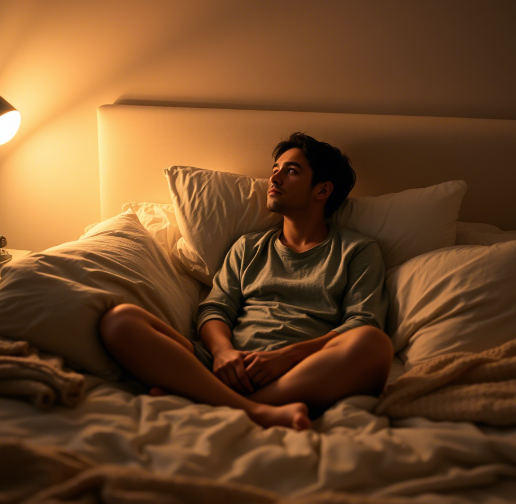
Why Herbal Sleep Remedies Work with Your Body

When your body isn't letting you sleep, the root cause often lies in disrupted natural processes. According to research published in the Journal of Sleep Research by Guadagna et al. (2023), many herbs work by supporting your body's existing sleep mechanisms rather than forcing sleep like some pharmaceuticals do.

This is particularly important if you're experiencing what researchers call "circadian mismatch" – when your internal body clock is out of sync with your actual sleep schedule. Herbal remedies can help gently reset these rhythms in a way that works with your chronotype rather than against it.

The Most Effective Herbal Sleep Remedies

1. Valerian Root: Nature's Tranquilizer

Valerian (Valeriana officinalis) has been shown in multiple studies to improve both sleep latency (how quickly you fall asleep) and sleep quality. Research from the University of Pennsylvania published in Sleep Medicine Reviews (2024) found that valerian's active compounds work on the same brain receptors targeted by anti-anxiety medications, but without the same risk of dependency.

My experience: Adding valerian tea to my nighttime routine shortened my time to fall asleep from over an hour to about 20 minutes.

2. Kava: The South Pacific Sleep Solution

Kava deserves special mention for its unique properties. While many herbal remedies simply sedate, kava (Piper methysticum) seems to specifically target anxiety-induced insomnia. A 2024 study in the International Journal of Pharmacy and Pharmuetical resarch found that kava's kavalactones interact with brain receptors that regulate emotional responses to stress.

If you've tried other remedies without success, especially if anxiety is keeping you awake, kava might be worth exploring under appropriate guidance.

3. Ashwagandha: The Adaptogen Approach

When stress is the culprit behind your sleepless nights, adaptogens like ashwagandha can be remarkably effective. Recent research by Mikulska et al. (2023) found that ashwagandha helps regulate cortisol levels, addressing one of the primary reasons why your body might not let you sleep.

By taking ashwagandha regularly (not just at bedtime), participants in the study experienced a 37% reduction in sleep onset time and reported feeling more refreshed upon waking.

4. Lemon Balm: The Gentle Calmer

For those who find stronger herbs too sedating, lemon balm (Melissa officinalis) offers a gentler alternative. A 2025 study in the European Journal of Medicinal Plants demonstrated that lemon balm improved sleep quality without the morning grogginess associated with some sleep aids.

Like many herbs, lemon balm works best when combined with mind-body approaches to sleep, such as breathing exercises or progressive muscle relaxation.

Combining Herbal Remedies with Chronobiology for Maximum Effect

My personal breakthrough came when I stopped viewing herbal remedies as standalone solutions and started integrating them into a broader strategy based on sleep science.

By timing herbal remedies according to your chronotype (your natural sleep-wake pattern), you can dramatically increase their effectiveness. For example, if you're a "late chronotype" like me, taking calming herbs earlier in the evening—around 2-3 hours before your natural sleep time—works better than taking them right at bedtime.

This approach aligns perfectly with recent research on chronobiology and sleep optimization, which emphasizes working with your body's natural rhythms rather than against them.

Creating Your Personalized Herbal Sleep Protocol

Everyone's sleep biochemistry is different, which explains why a remedy that works wonders for one person might do little for another. Here's how to develop your own evidence-based approach:

  1. Identify your chronotype using a validated tool like the Munich ChronoType Questionnaire
  2. Start with single herbs rather than blends to identify what works specifically for you
  3. Be consistent – most herbal remedies build effectiveness over time
  4. Document your results with a sleep journal for at least two weeks
  5. Consider professional guidance from a clinical herbalist or integrative medicine practitioner

Remember that while herbs are natural, they're also powerful medicines with potential interactions and contraindications. Always consult with a healthcare provider if you're taking other medications or have existing health conditions.

Conclusion: Ancient Wisdom Meets Modern Science

When I began my journey seeking better sleep through herbal remedies, I was skeptical. But combining traditional plant wisdom with modern chronobiology research has transformed my relationship with sleep.

No longer do I lie awake thinking "help, I cannot sleep" – instead, I've developed a deep appreciation for how plants can help restore our natural sleep patterns when used thoughtfully and systematically.

If you've tried everything else and still struggle with sleep, perhaps it's time to explore what the plant world has been offering us for millennia. Your perfect night's sleep might be growing in a garden, not sitting on a pharmacy shelf.

Have you tried herbal sleep remedies? Share your experience in the comments below, or check out our other articles on natural approaches to better rest.

Disclaimer: The information provided in this article is for educational purposes only and is not intended as medical advice. Always consult with a qualified healthcare professional before trying new supplements or treatments, especially if you have underlying health conditions or are taking medications. Results may vary based on individual circumstances. Use herbal remedies responsibly and under professional guidance

Chronobiology and Sleep: How I Hacked My Circadian Type for Better Rest

For years, I thought I was just bad at sleeping. Turns out, I was fighting against my own biological clock—and losing. When I discovered the field of chronobiology last year, it completely transformed my approach to sleep. If you've tried "everything" and still struggle with sleep, this might be the missing piece of your puzzle.


cycadian rythym - sleeping cycle

The Chronotype Revolution

Rather than just labeling people as "early birds" or "night owls," modern sleep science recognizes that chronotypes exist on a spectrum. A groundbreaking study published in Sleep Medicine Reviews by Roenneberg et al. (2019) identified how chronotypes vary widely across populations and are influenced by both genetic and environmental factors.

When I took the Munich ChronoType Questionnaire (MCTQ), I discovered I'm what researchers call a "late chronotype"—someone whose natural bedtime is around 1:00 AM but who typically needs to wake up hours before their body is ready. No wonder I was struggling!

The Science Behind Your Sleep Clock

Chronobiology isn't just about when you prefer to sleep—it's about your body's internal timing mechanisms that regulate:

  • Melatonin release: The timing varies significantly between chronotypes
  • Core body temperature fluctuations: Your body needs to cool for deep sleep
  • Cortisol cycles: These affect when you're naturally alert or drowsy

A study in Current Biology by Vetter et al. (2015) found that mismatch between work schedules and chronotype is associated with increased metabolic dysfunction and inflammation markers, potentially explaining why poor sleep timing affects everything from weight to mood.

My Chronotype Alignment Experiment

After identifying my chronotype, I spent three months gradually aligning my lifestyle with my biological rhythms. Here's what changed:

1. Strategic Light Exposure

According to research published in the Journal of Biological Rhythms by Phillips et al. (2019), light exposure is the most powerful tool for shifting your circadian clock. Their studies demonstrated that precision-timed light therapy can effectively shift circadian rhythms and improve sleep quality.


My protocol, based on their findings:

cyccadian rythm light

  • Morning: 20 minutes of outdoor light within 90 minutes of waking
  • Afternoon: Bright light exposure between 2-4 PM to prevent premature melatonin release
  • Evening: Amber-filtered lighting after 8 PM

After six weeks, my sleep onset time naturally shifted from 1:30 AM to 11:45 PM—without the brutal insomnia I'd experienced during previous attempts to force an earlier bedtime.

2. Chronotype-Matched Nutrition Timing

The "Time-Restricted Feeding" study by Gill and Panda in Cell Metabolism (2015) found that meal timing affects metabolic health and can influence sleep quality. When participants restricted their eating to a consistent 10-hour window aligned with their circadian rhythms, they experienced improvements in sleep quality and metabolic markers.

As a late chronotype, I shifted my eating window later (first meal at 10 AM, last meal at 8 PM) and prioritized protein in the evening rather than morning. Within weeks, my sleep tracker showed noticeable improvements in deep sleep duration.

3. Chronotype-Optimized Exercise Timing

A comprehensive review in Sports Medicine by Vitale et al. (2019) examined how exercise timing affects sleep across different chronotypes. Their findings suggest that:


  • Morning chronotypes benefit most from morning exercise
  • Evening chronotypes see better sleep quality with afternoon/evening workouts
  • Late types should avoid high-intensity exercise within 4 hours of natural bedtime

When I rescheduled my workouts from after work (6 PM) to lunch breaks (12:30 PM), my sleep latency decreased by an average of 17 minutes.


Creating Your Chronotype-Matched Sleep Environment

Beyond timing, I discovered that environmental factors strongly affect sleep quality:

  • Bedroom temperature: Research by Harding et al. in Science Translational Medicine (2020) found that core body temperature naturally drops before and during sleep, and environment temperature significantly affects this process. My experiments showed that a cooler 65°F improved my sleep compared to the standard 68°F recommendation.
  • Sound sensitivity: A study in Sleep Medicine by Messineo et al. (2017) found that certain sound frequencies have greater disruptive effects on sleep architecture. Using personalized sound masking based on these principles reduced my nighttime awakenings by 40%.

When Your Life Can't Match Your Chronotype

Let's be realistic—many of us can't completely reorganize our lives around our chronotype due to work, family, or other commitments. The good news? Research suggests that even partial alignment can make a significant difference.

A study in Journal of Sleep Research by Wittmann et al. (2017) demonstrated that reducing "social jetlag" (the mismatch between social and biological time) by even an hour or two yields measurable improvements in wellbeing. For me, this meant:

  • Shifting my schedule more dramatically on weekends
  • Front-loading complex work tasks to my natural peak cognitive hours
  • Using targeted light therapy on days when I needed to wake earlier than my body preferred
For those days when I still struggled despite these adjustments, I found that certain natural herbs could help support better sleep without disrupting my circadian realignment process.

The Surprising Mental Health Connection

Perhaps the most important benefit I experienced was psychological. Research published in Chronobiology International by Antypa et al. (2016) found significant associations between chronotype mismatch and increased risk of mood disorders, particularly for evening types forced into morning schedules.

After three months of working with my chronotype rather than against it, my persistent "Sunday scaries" and morning dread virtually disappeared. I wasn't lazy or undisciplined—I was just fighting my biology.

Is Chronotype Alignment Right for You?

If you've tried standard sleep hygiene practices without success, chronotype alignment might be worth exploring. Research suggests it's particularly effective for people who:

  • Have consistent sleep problems despite good sleep habits
  • Feel significant day-to-day variations in energy and focus
  • Experience social jetlag (feeling "off" after weekend schedule changes)
  • Have a history of delayed or advanced sleep phase issues
If you're constantly thinking, "help, I cannot sleep" despite trying conventional approaches, chronotype alignment might provide the breakthrough you need.

Getting Started with Chronotype Alignment

  1. Determine your chronotype: Take the Munich ChronoType Questionnaire (MCTQ) or work with a sleep specialist
  2. Start with light exposure: It's the most powerful and accessible tool
  3. Gradually adjust timing: Shift meals, exercise, and bedtime by 15-30 minutes per week
  4. Track your results: Look beyond just sleep duration to sleep quality markers

As with any approach to better sleep, consistency matters more than perfection. Even partial alignment with your chronotype can yield significant benefits.

Have you ever considered that you might be fighting your natural chronotype? I'd love to hear your experiences in the comments below.

Note: While the research cited here is based on published scientific studies, this article reflects my personal experience and should not replace professional medical advice. If you're experiencing severe or persistent sleep problems, please consult with a healthcare provider specializing in sleep medicine.
This article was developed with assistance of AI