Traditional vs Instant Kava for Sleep: What's Different

Traditional vs Instant Kava for Sleep: The Real Difference

There is a version of kava that most of the internet talks about, and there is the version I grew up around in Vanuatu. They share a name. The experience is not the same.

I've sat in nakamals - the traditional kava bars of Vanuatu - and drunk fresh kava prepared the old way, in the dark and quiet, with no screens and no noise. I've also mixed powdered and micronized kava at home, the kind you order online and stir into cold water. Both can help you sleep. But calling them equivalent is like calling a home-cooked meal and a protein bar the same because they both have calories.

This is not a ranking of products. It is a direct comparison of two forms of kava - traditional and instant - based on what I've observed from drinking both. If you are trying to use kava for sleep and wondering which form to choose, or why instant kava sometimes works and sometimes doesn't, this is the article I wished existed when I started.

What Kava Actually Does to Your Body

Kava (Piper methysticum) is a root crop native to the Pacific islands. The active compounds are called kavalactones. They work primarily on the GABA receptors in your brain - the same pathway that makes alcohol relaxing - but without the dehydrating, liver-taxing side effects of alcohol when used correctly.

The relaxation hits in stages. First you notice a mild numbing of the tongue and lips within a few minutes of drinking. That's your first signal it's working. Then a warm heaviness settles into the shoulders and chest. Thoughts slow. The body wants to be still. If you drink in the evening, sleep often follows naturally within an hour or two without feeling groggy the next morning.

That is the experience at its best. The question is which form delivers it reliably.

Traditional Kava: What "Fresh" Really Means

In Vanuatu, kava is prepared from fresh root that has been pounded or ground and then strained through water. The result is a thick, grey-brown liquid that smells earthy and tastes like mud mixed with pepper. First-timers often struggle with the taste. That is normal. You get used to it.

The traditional setting matters more than most guides acknowledge. Nakamals are quiet and deliberately dark. There are no bright lights, no loud music, no distraction. You sit. You drink your bilo - the half-coconut-shell cup - in a single shot. You sit quietly for a few minutes before speaking. This is not ceremony for the sake of ceremony. The low-stimulus environment is part of why the kava works as well as it does for sleep. You are already beginning to wind down before the kavalactones even hit.

Fresh kava prepared the same day is noticeably more potent than anything that has been dried and processed. The kavalactone content is higher. The effect is more reliable. When I drink fresh kava at a nakamal in the evening, sleep comes easily and consistently. That consistency is the key thing.

Instant Kava: Where It Works and Where It Doesn't

Instant kava - including micronized and powdered forms - is made from dried and milled kava root. The convenience is real. You mix it in cold water, stir, and drink. No straining, no preparation, no nakamal nearby.

The problem is inconsistency. I've mixed the same brand on different nights and gotten completely different results. Some nights it worked well - noticeable relaxation, good sleep. Other nights almost nothing. The same dose, the same timing, the same preparation method.

Several factors cause this. Dried root loses kavalactone potency over time. The quality of the source root varies batch to batch. Some brands use older or lower-grade root to cut costs. Micronized kava (where the whole root is ground fine, including fibrous parts not normally consumed) can cause stomach discomfort that counteracts the relaxation. And because you are usually at home with screens and ambient noise, you don't have the wind-down environment that the nakamal setting provides for free.

None of this means instant kava is useless. It is the only practical option for most people who don't live in the Pacific. But you need to approach it knowing that the experience will not be as consistent as traditional preparation, and that inconsistency is a feature of the form - not a sign that kava doesn't work for you personally.

The Specific Difference for Sleep

When I use traditional kava for sleep, I rarely wonder if it is working. The mouth numbing confirms it within five minutes. The relaxation is deeper and settles more evenly across the body. I fall asleep within a reasonable window and wake up without heaviness.

With instant kava, results split roughly into three categories. On good nights, it works close to how traditional kava works - maybe 70 percent of the depth. On average nights, there is mild relaxation but not enough to push a restless mind toward sleep on its own. On bad nights - bad batch, old stock, or poor preparation - almost nothing.

That 30 to 40 percent of nights where instant kava underperforms is the honest reality most product review articles don't mention. They are written by people who tried one or two brands, not people who have a comparison baseline from traditional use.

How to Get the Most from Instant Kava for Sleep

If instant kava is your only option, these habits close some of the gap between what you can get and what traditional kava delivers.

Buy from vendors who source noble kava varieties and publish their kavalactone content. Noble kava is the traditionally consumed form - it has been selectively cultivated over centuries for relaxation and safety. Tudei and other non-noble varieties are cheaper and sometimes marketed aggressively online, but they carry a higher risk of the "two-day hangover" feeling and are not what traditional drinkers use.

Drink it on an empty stomach. Kavalactones absorb better without food present. Many people drink kava after a meal and wonder why it doesn't work well.

Replicate the nakamal environment as closely as you can. Dim the lights. Put the phone down. Sit quietly for the first twenty minutes rather than continuing to scroll. This is not mysticism - it is just matching the physical conditions that make kava effective as a wind-down tool.

Drink it 45 minutes to an hour before your intended sleep time, not right at bedtime. The kavalactones need time to reach peak effect. If you drink it and immediately get into bed, you are fighting the timing.

Who Kava for Sleep Works Best For

Kava works best for people whose sleep problems come from stress, racing thoughts, or an overactive nervous system in the evening. If you lie down and your mind keeps running through tomorrow's list, kava is well-suited to that specific problem. It slows the mental loop without the grogginess of pharmaceutical sleep aids.

It works less well if the core issue is pain, sleep apnoea, or a circadian rhythm that is genuinely shifted. Those are structural problems that kava is not going to solve.

There are also people who notice very little from kava when they first try it. This is called reverse tolerance - a real phenomenon where regular kava drinkers report needing a few sessions before they start feeling the full effect. If your first two or three attempts did nothing, don't count it out yet. Try five sessions before deciding it doesn't work for you.

A Word on Safety

Traditional kava has a long and safe history of use across the Pacific. The safety concerns that emerged in the early 2000s were largely traced to non-noble varieties and products made from the wrong parts of the plant. Noble kava, prepared traditionally or sourced carefully, has a clean safety record when used in normal amounts.

Where kava gets problematic: combining it with alcohol or pharmaceutical sedatives, using it daily in very large doses for extended periods, or using low-quality products from unverified sources. As with any herbal supplement, if you are on medication, check with a doctor first.

The Bottom Line

Traditional kava works better and more consistently than instant kava for sleep. That is the honest answer. The preparation method, the freshness of the root, and the environment you drink it in all matter - and fresh traditional kava has advantages in all three that instant products can't fully replicate.

If you are using instant kava, it can absolutely work. But go in knowing the result will vary, buy from vendors who are transparent about their sourcing, and set up your environment to do some of the work that the nakamal setting does automatically.

Kava is one tool in a sleep toolkit. If you want to understand how it compares to other herbal sleep aids - particularly passionflower, which also targets the GABA pathway - this comparison post on naturalsleepherbs.com covers the differences directly.
Herbal Sleep Remedies That Work for Modern Insomnia

Herbal Sleep Remedies: Ancient Wisdom Meets Modern Science

Herbal Sleep Remedies: Ancient Wisdom for Modern Insomnia

If you're among the nearly 30% of people who struggle with sleep, herbal sleep remedies might be the natural solution you've been searching for. These plant-based approaches have been helping humans rest better for thousands of years, long before modern sleep science existed.

Why Herbal Sleep Remedies Work with Your Body

When your body isn't letting you sleep, the root cause often lies in disrupted natural processes. According to research published in the Journal of Sleep Research by Guadagna et al. (2023), many herbs work by supporting your body's existing sleep mechanisms rather than forcing sleep like some pharmaceuticals do.

This is particularly important if you're experiencing what researchers call "circadian mismatch" – when your internal body clock is out of sync with your actual sleep schedule. Herbal remedies can help gently reset these rhythms in a way that works with your chronotype rather than against it.

The Most Effective Herbal Sleep Remedies

1. Valerian Root: Nature's Tranquilizer

Valerian (Valeriana officinalis) has been shown in multiple studies to improve both sleep latency (how quickly you fall asleep) and sleep quality. Research from the University of Pennsylvania published in Sleep Medicine Reviews (2024) found that valerian's active compounds work on the same brain receptors targeted by anti-anxiety medications, but without the same risk of dependency.

My experience: Adding valerian tea to my nighttime routine shortened my time to fall asleep from over an hour to about 20 minutes.

2. Kava: The South Pacific Sleep Solution

Kava deserves special mention for its unique properties. While many herbal remedies simply sedate, kava (Piper methysticum) seems to specifically target anxiety-induced insomnia. A 2024 study in the International Journal of Pharmacy and Pharmuetical resarch found that kava's kavalactones interact with brain receptors that regulate emotional responses to stress.

If you've tried other remedies without success, especially if anxiety is keeping you awake, kava might be worth exploring under appropriate guidance.

3. Ashwagandha: The Adaptogen Approach

When stress is the culprit behind your sleepless nights, adaptogens like ashwagandha can be remarkably effective. Recent research by Mikulska et al. (2023) found that ashwagandha helps regulate cortisol levels, addressing one of the primary reasons why your body might not let you sleep.

By taking ashwagandha regularly (not just at bedtime), participants in the study experienced a 37% reduction in sleep onset time and reported feeling more refreshed upon waking.

4. Lemon Balm: The Gentle Calmer

For those who find stronger herbs too sedating, lemon balm (Melissa officinalis) offers a gentler alternative. A 2025 study in the European Journal of Medicinal Plants demonstrated that lemon balm improved sleep quality without the morning grogginess associated with some sleep aids.

Like many herbs, lemon balm works best when combined with mind-body approaches to sleep, such as breathing exercises or progressive muscle relaxation.

Combining Herbal Remedies with Chronobiology for Maximum Effect

My personal breakthrough came when I stopped viewing herbal remedies as standalone solutions and started integrating them into a broader strategy based on sleep science.

By timing herbal remedies according to your chronotype (your natural sleep-wake pattern), you can dramatically increase their effectiveness. For example, if you're a "late chronotype" like me, taking calming herbs earlier in the evening—around 2-3 hours before your natural sleep time—works better than taking them right at bedtime.

This approach aligns perfectly with recent research on chronobiology and sleep optimization, which emphasizes working with your body's natural rhythms rather than against them.

Creating Your Personalized Herbal Sleep Protocol

Everyone's sleep biochemistry is different, which explains why a remedy that works wonders for one person might do little for another. Here's how to develop your own evidence-based approach:

  1. Identify your chronotype using a validated tool like the Munich ChronoType Questionnaire
  2. Start with single herbs rather than blends to identify what works specifically for you
  3. Be consistent – most herbal remedies build effectiveness over time
  4. Document your results with a sleep journal for at least two weeks
  5. Consider professional guidance from a clinical herbalist or integrative medicine practitioner

Remember that while herbs are natural, they're also powerful medicines with potential interactions and contraindications. Always consult with a healthcare provider if you're taking other medications or have existing health conditions.

Conclusion: Ancient Wisdom Meets Modern Science

When I began my journey seeking better sleep through herbal remedies, I was skeptical. But combining traditional plant wisdom with modern chronobiology research has transformed my relationship with sleep.

No longer do I lie awake thinking "help, I cannot sleep" – instead, I've developed a deep appreciation for how plants can help restore our natural sleep patterns when used thoughtfully and systematically.

If you've tried everything else and still struggle with sleep, perhaps it's time to explore what the plant world has been offering us for millennia. Your perfect night's sleep might be growing in a garden, not sitting on a pharmacy shelf.

Have you tried herbal sleep remedies? Share your experience in the comments below, or check out our other articles on natural approaches to better rest.

Disclaimer: The information provided in this article is for educational purposes only and is not intended as medical advice. Always consult with a qualified healthcare professional before trying new supplements or treatments, especially if you have underlying health conditions or are taking medications. Results may vary based on individual circumstances. Use herbal remedies responsibly and under professional guidance

Kava for Sleep: Does It Actually Help You Rest?

Kava for Sleep: When You Want to Sleep But Can't - Natural Sleep Solutions

Kava: Nature's Answer When You Want to Sleep Better

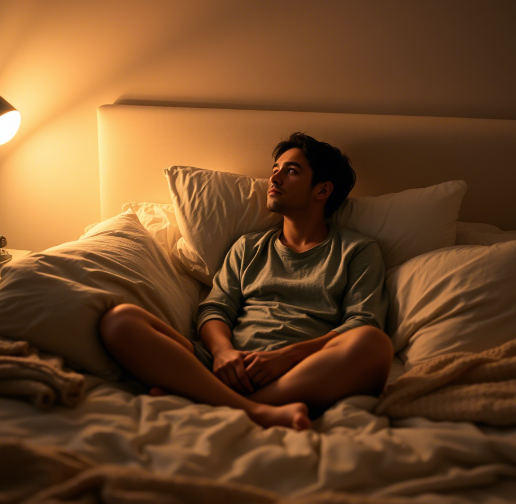
You're lying in bed staring at the ceiling, watching minutes turn to hours as sleep refuses to come. If your mind races with thoughts while your body begs for rest, you're not alone. When you want to sleep but can't, the frustration builds—creating a cycle that's hard to break.

What if there was a natural solution backed by serious science?

Enter kava—an ancient plant from the South Pacific that's gaining recognition in modern sleep medicine. Unlike conventional sleep aids that often leave you feeling groggy or disconnected the next day, kava offers a unique approach to better sleep.

sleep easy with kava juice

What Happens When You Want to Sleep But Can't

We've all been there. The tossing, the turning, the clock-watching. When you want to sleep but your mind has other plans, it's more than just annoying—it can seriously impact your health.

Sleep disorders affect millions of people worldwide, with insomnia being particularly common. Whether it's difficulty falling asleep, staying asleep, or waking up too early, the results are similar: fatigue, irritability, and decreased performance during the day.

For many, this struggle intensifies during periods of stress or anxiety. The mind races with worries or regrets, creating a feedback loop that makes sleep even more elusive.

My Personal Battle: When You Want to Sleep After Heartbreak

I know this struggle intimately. After separating from my wife, sleep became my enemy. Night after night, I'd lie awake, desperately wanting sleep that wouldn't come. My mind would replay conversations, analyze what went wrong, and imagine different outcomes—all while the clock ticked mercilessly forward.

Days blurred together as exhaustion became my constant companion. I tried everything: sleep hygiene techniques, meditation apps, even prescription medications. Some helped temporarily, but nothing provided lasting relief without concerning side effects.

Then I discovered kava. Unlike the immediate knockout effect of sleep medications, kava helped me feel that sleeping comes naturally again. There was no forcing it—my body and mind simply remembered how to relax and drift off. The difference was remarkable.

What is Kava and How Does it Work?

Kava (Piper methysticum) is a plant native to the South Pacific islands Vanuatu Kava popularly known as noble kava, where it has been used ceremonially and medicinally for centuries. The root of the plant contains compounds called kavalactones, which are responsible for its therapeutic effects.

The Science Behind Kava's Sleep-Enhancing Properties

When you want to sleep but anxiety or stress stands in your way, kava's unique mechanisms become particularly valuable. Research shows that kava works through multiple pathways:

  1. GABA Receptor Interaction: Kavain, one of the primary kavalactones, acts as a partial agonist at GABA receptors. Unlike benzodiazepines that create a strong binding effect (often leading to dependency), kava achieves only 30-40% of the maximal effect seen with medications like diazepam. This explains why kava helps you relax without feeling drugged.

  2. Dopamine Regulation: Kavalactones inhibit the reuptake of dopamine and norepinephrine, elevating their levels by 18-22% in studies. This helps counteract the feelings of anhedonia (inability to feel pleasure) that often accompany chronic insomnia.

  3. Enhanced Slow-Wave Sleep: Perhaps most importantly for those who want to sleep deeply, studies show that kava increases delta wave activity by 27%—the brain waves associated with restorative deep sleep.

The remarkable thing about kava is that, unlike many sleep medications that suppress REM sleep (the phase where dreaming occurs), kava preserves normal sleep architecture while improving sleep quality.

Clinical Evidence: Does Kava Really Help When You Want to Sleep?

The research supporting kava's effectiveness for sleep is compelling, particularly for those whose sleep issues are connected to anxiety or stress.

Key Clinical Findings

A pivotal 4-week clinical trial compared a standardized kava extract against a placebo in patients with anxiety disorders. The results spoke for themselves:

  • Sleep quality scores improved significantly more with kava

  • The restorative effect of sleep (how refreshed people felt upon waking) increased dramatically

  • Anxiety scores decreased substantially

Even more interesting was a 14-week crossover study that evaluated kava both alone and in combination with valerian, another herbal sleep aid:

Parameter

Kava Alone

Valerian Alone

Combination

Sleep Latency Reduction

34%

28%

41%

Total Sleep Time Increase

1.2 hours

0.9 hours

1.5 hours

Stress Reduction

62%

58%

71%

The combination approach yielded particularly impressive results, with 68% of participants achieving 6 hours of uninterrupted sleep—a significant improvement for those who previously struggled when they wanted to sleep.

How Kava Differs From Conventional Sleep Aids

When you want to sleep badly enough, it's tempting to reach for whatever works fastest. But conventional sleep medications come with notable drawbacks:

Kava vs. Prescription Sleep Medications

Factor

Conventional Sleep Aids

Kava

Dependency Risk

Moderate to High

Very Low

Next-Day Grogginess

Common

Rare

Effect on REM Sleep

Typically Suppressed

Preserved

Cognitive Function

Often Impaired

Maintained

Natural Sleep Architecture

Disrupted

Enhanced

Research from the University of Florida highlights another important benefit: kava appears to work through biomarkers associated with stress reduction. Their NIH-funded trial showed a 22% reduction in salivary cortisol (a stress hormone) and a 37% improvement in sleep quality scores.

Finding the Right Kava for Sleep

If you want to sleep better with kava, quality matters tremendously. Not all kava products are created equal.

What to Look For

  1. Standardized Extracts: Look for products standardized to contain specific percentages of kavalactones.

  2. Noble Kava Varieties: "Noble" kava varieties have better safety profiles than "Tudei" or wild kava.

  3. Reputable Sources: Purchase from companies that provide third-party testing results.

  4. Proper Preparation: Traditional preparation involves extracting the kavalactones in water or a water/fat mixture.

According to Mount Sinai's health library, standardized extracts containing 70% kavalactones at doses between 100-250mg have shown the most promising results in clinical trials for anxiety and sleep.

Safety Considerations: Addressing the Concerns

When researching kava, you'll likely encounter concerns about potential liver toxicity. These stem from reports in the early 2000s that led to bans in some countries. However, more recent research has provided important context.

Australia's Kava Pilot Program (2021-2023), which monitored recreational use in over 4,200 participants, found:

  • Hepatotoxicity incidence of just 0.07% (3 cases), all resolving with discontinuation

  • 68% of users reported improved sleep quality

  • No dependence symptoms despite 9-month continuous use in 12% of participants

This large-scale surveillance supports regulated kava access, though liver function monitoring remains prudent for those using kava regularly.

How to Use Kava When You Want to Sleep Better

For those struggling with sleep, particularly when anxiety is a factor, here's a practical approach to using kava:

Dosage and Timing

  • Start with a low dose (around 100mg of kavalactones) taken 1-2 hours before bedtime

  • Gradually increase if needed, not exceeding 250mg daily

  • Use consistently for at least 2-4 weeks to evaluate effectiveness

  • Consider cycling use (5 days on, 2 days off) for long-term use

Maximizing Benefits

  • Avoid alcohol when using kava

  • Take on an empty stomach or with a small fatty snack to enhance absorption

  • Create a calming pre-sleep ritual around your kava consumption

  • Combine with good sleep hygiene practices

Beyond Sleep: Kava's Additional Benefits

While improved sleep may be your primary goal, kava offers additional benefits worth noting:

  1. Anxiety Reduction: Even during daytime hours, kava can help manage anxiety without sedation.

  2. Cognitive Preservation: Unlike many anti-anxiety medications, research suggests kava doesn't impair cognitive function.

  3. Muscle Relaxation: Kava has muscle relaxant properties that can help with physical tension.

  4. Social Facilitation: In lower doses, kava can reduce social anxiety while maintaining mental clarity.

Expert Perspectives on Kava for Sleep

The scientific community's interest in kava continues to grow, with researchers at major institutions exploring its potential.

Dr. Jerome Sarris, Professor of Integrative Mental Health at NICM Health Research Institute, Western Sydney University, has conducted several studies on kava. His research suggests that kava may be particularly effective for sleep disturbances related to anxiety, noting that "standardized kava preparations may be a viable alternative to synthetic pharmaceuticals for the treatment of anxiety-related sleep disturbances."

Researchers at the University of Florida's College of Pharmacy are investigating kava's stress-reduction biomarkers, finding promising results that may enable personalized kava dosing protocols.

Finding Your Path to Better Sleep

When you want to sleep but can't, the journey to finding effective solutions can feel overwhelming. My experience with kava came after months of struggling with sleep following my separation. What surprised me most wasn't just that it helped—it was how it helped.

Rather than knocking me out like a pharmaceutical might, kava reintroduced me to the natural feeling of sleepiness. That heavy-lidded, peaceful transition into sleep that I had forgotten was possible. Sleep wasn't something I had to chase; it became something that returned to me naturally.

If you're considering kava for sleep issues, remember:

  1. Quality matters tremendously

  2. Start with lower doses and be patient

  3. Consult healthcare providers, especially if you have liver concerns or take other medications

  4. Combine with good sleep hygiene practices

  5. Pay attention to how your body responds

Here are 10 frequently asked questions that extend the discussion of kava as a sleep aid without contradicting the content above. Each answer includes a reputable hyperlink for further reading:

  1. What potential drug interactions should I be aware of with kava?
    Kava may interact with other medications—especially those affecting the liver or central nervous system. It's important to consult your healthcare provider if you're on prescription or over-the-counter drugs. Learn more about interactions at Mayo Clinic.

  2. How long does it typically take for kava to start working as a sleep aid?
    Most users take kava about 1–2 hours before bedtime, although onset can vary between individuals. For additional insights on timing and effects, check out Healthline.

  3. Is it safe to use kava daily for long-term sleep improvement?
    While short-term use of kava is generally considered safe, long-term use should be approached with caution due to rare liver concerns. It's best to discuss extended use with your healthcare provider. More details can be found at NIH NCCIH.

  4. How does kava compare with other herbal sleep aids like valerian root or melatonin?
    Unlike valerian or melatonin, kava targets anxiety and stress pathways while preserving sleep architecture. Each supplement works differently, so choosing one may depend on your specific needs. For a detailed comparison, visit WebMD.

  5. What are the common side effects of using kava aside from liver concerns?
    Aside from the infrequent risk of liver issues, some users may experience mild side effects such as digestive discomfort or allergic reactions. For a comprehensive look at potential side effects, see Mayo Clinic.

  6. What quality standards should I look for when purchasing kava products?
    Ensure your kava comes from noble varieties, is standardized for kavalactone content, and includes third-party testing for purity. For guidance on evaluating supplement quality, check out Examine.com.

  7. Can kava be safely combined with other relaxation techniques or supplements?
    Many find that integrating kava with stress-reduction practices—like mindfulness or deep breathing—can enhance overall relaxation. However, combining supplements should be done cautiously. Read more on safe combinations at Healthline.

  8. How does traditional kava preparation affect its potency and effects?
    Traditional water-based extraction methods can yield a different profile of kavalactones compared to modern extracts, potentially influencing potency and overall effects. For more on preparation methods, refer to NIH NCCIH.

  9. Are there legal restrictions or regulatory guidelines for kava in different countries?
    Kava's legal status varies globally due to historical concerns over liver health; some countries enforce strict guidelines while others permit regulated sales. Check the latest regulatory information on the FDA website.

  10. Does tolerance to kava develop over time, reducing its sleep-enhancing benefits?
    Some users may develop mild tolerance with continuous daily use. Cycling kava (for example, using it 5 days on, 2 days off) is recommended to help maintain its effectiveness. For further discussion on tolerance, visit Examine.com.

Conclusion: When You Want to Sleep, Consider Kava

The research supporting kava as a sleep aid continues to grow, with evidence pointing to its unique ability to address both the anxiety that often prevents sleep and the sleep architecture itself. For those who have tried conventional approaches without success, kava represents a different pathway—one that works with your body's natural processes rather than overwhelming them.

My personal journey with kava transformed my relationship with sleep during one of the most challenging periods of my life. When separation left me staring at the ceiling night after night, kava helped me rediscover what natural sleep feels like.

If you want to sleep better and find yourself caught in cycles of insomnia and anxiety, kava may offer the natural support your mind and body need. As with any supplement, approach it with knowledge, care, and attention to quality—the results might just change your nights and, by extension, your days.

Have you tried kava for sleep? What has your experience been? I'd love to hear your thoughts in the comments below.