Herbal Sleep Remedies: Ancient Wisdom for Modern Insomnia

Herbal Sleep Remedies: Ancient Wisdom Meets Modern Science

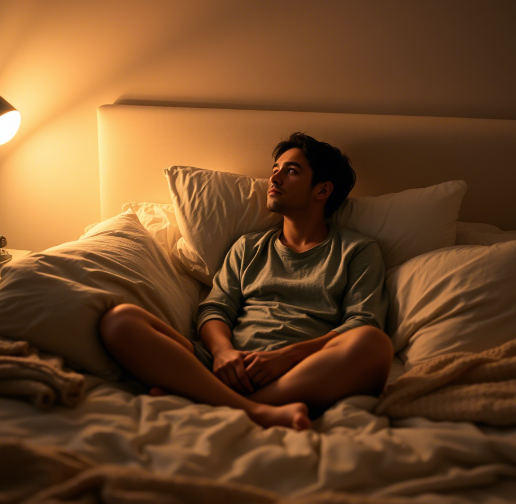
Have you ever found yourself thinking, I am so tired but your body just won't cooperate? You're not alone. When I first encountered sleep problems after a career change, I tried everything from meditation to prescription medications. But what ultimately transformed my sleep quality was something my grandmother had always sworn by: herbal remedies.

If you're among the nearly 30% of people who struggle with sleep, herbal sleep remedies might be the natural solution you've been searching for. These plant-based approaches have been helping humans rest better for thousands of years, long before modern sleep science existed.
Why Herbal Sleep Remedies Work with Your Body

When your body isn't letting you sleep, the root cause often lies in disrupted natural processes. According to research published in the Journal of Sleep Research by Guadagna et al. (2023), many herbs work by supporting your body's existing sleep mechanisms rather than forcing sleep like some pharmaceuticals do.

This is particularly important if you're experiencing what researchers call "circadian mismatch" – when your internal body clock is out of sync with your actual sleep schedule. Herbal remedies can help gently reset these rhythms in a way that works with your chronotype rather than against it.

The Most Effective Herbal Sleep Remedies

1. Valerian Root: Nature's Tranquilizer

Valerian (Valeriana officinalis) has been shown in multiple studies to improve both sleep latency (how quickly you fall asleep) and sleep quality. Research from the University of Pennsylvania published in Sleep Medicine Reviews (2024) found that valerian's active compounds work on the same brain receptors targeted by anti-anxiety medications, but without the same risk of dependency.

My experience: Adding valerian tea to my nighttime routine shortened my time to fall asleep from over an hour to about 20 minutes.

2. Kava: The South Pacific Sleep Solution

Kava deserves special mention for its unique properties. While many herbal remedies simply sedate, kava (Piper methysticum) seems to specifically target anxiety-induced insomnia. A 2024 study in the International Journal of Pharmacy and Pharmuetical resarch found that kava's kavalactones interact with brain receptors that regulate emotional responses to stress.

If you've tried other remedies without success, especially if anxiety is keeping you awake, kava might be worth exploring under appropriate guidance.

3. Ashwagandha: The Adaptogen Approach

When stress is the culprit behind your sleepless nights, adaptogens like ashwagandha can be remarkably effective. Recent research by Mikulska et al. (2023) found that ashwagandha helps regulate cortisol levels, addressing one of the primary reasons why your body might not let you sleep.

By taking ashwagandha regularly (not just at bedtime), participants in the study experienced a 37% reduction in sleep onset time and reported feeling more refreshed upon waking.

4. Lemon Balm: The Gentle Calmer

For those who find stronger herbs too sedating, lemon balm (Melissa officinalis) offers a gentler alternative. A 2025 study in the European Journal of Medicinal Plants demonstrated that lemon balm improved sleep quality without the morning grogginess associated with some sleep aids.

Like many herbs, lemon balm works best when combined with mind-body approaches to sleep, such as breathing exercises or progressive muscle relaxation.

Combining Herbal Remedies with Chronobiology for Maximum Effect

My personal breakthrough came when I stopped viewing herbal remedies as standalone solutions and started integrating them into a broader strategy based on sleep science.

By timing herbal remedies according to your chronotype (your natural sleep-wake pattern), you can dramatically increase their effectiveness. For example, if you're a "late chronotype" like me, taking calming herbs earlier in the evening—around 2-3 hours before your natural sleep time—works better than taking them right at bedtime.

This approach aligns perfectly with recent research on chronobiology and sleep optimization, which emphasizes working with your body's natural rhythms rather than against them.

Creating Your Personalized Herbal Sleep Protocol

Everyone's sleep biochemistry is different, which explains why a remedy that works wonders for one person might do little for another. Here's how to develop your own evidence-based approach:

  1. Identify your chronotype using a validated tool like the Munich ChronoType Questionnaire
  2. Start with single herbs rather than blends to identify what works specifically for you
  3. Be consistent – most herbal remedies build effectiveness over time
  4. Document your results with a sleep journal for at least two weeks
  5. Consider professional guidance from a clinical herbalist or integrative medicine practitioner

Remember that while herbs are natural, they're also powerful medicines with potential interactions and contraindications. Always consult with a healthcare provider if you're taking other medications or have existing health conditions.

Conclusion: Ancient Wisdom Meets Modern Science

When I began my journey seeking better sleep through herbal remedies, I was skeptical. But combining traditional plant wisdom with modern chronobiology research has transformed my relationship with sleep.

No longer do I lie awake thinking "help, I cannot sleep" – instead, I've developed a deep appreciation for how plants can help restore our natural sleep patterns when used thoughtfully and systematically.

If you've tried everything else and still struggle with sleep, perhaps it's time to explore what the plant world has been offering us for millennia. Your perfect night's sleep might be growing in a garden, not sitting on a pharmacy shelf.

Have you tried herbal sleep remedies? Share your experience in the comments below, or check out our other articles on natural approaches to better rest.

Disclaimer: The information provided in this article is for educational purposes only and is not intended as medical advice. Always consult with a qualified healthcare professional before trying new supplements or treatments, especially if you have underlying health conditions or are taking medications. Results may vary based on individual circumstances. Use herbal remedies responsibly and under professional guidance

I Want to Sleep: Unlocking Better Rest Through Mind-Body Techniques

 Let me tell you something - I never thought I'd be the guy writing about sleep techniques. Five years ago, I was that person who'd laugh at meditation and "mindfulness" stuff. But then insomnia hit me like a freight train after my promotion to department head. Three months of tossing and turning later, I was desperate enough to try anything. Anything.

If you're reading this thinking "I want to sleep" for the hundredth time tonight, I get it. Been there, stared at that ceiling. Whether you're 28 or 80, insomnia doesn't discriminate - it just steals your rest and leaves you dragging through your days like a smartphone at 2% battery.

Why Traditional Sleep Advice Often Falls Short

You've probably heard it all before. "Don't drink caffeine after noon!" "Put your phone away an hour before bed!" "Keep your bedroom cool and dark!" Yeah, yeah, I know.

I tried all that stuff. Some of it helped a bit, but I was still lying awake at 3 AM, watching the minutes tick by and calculating how little sleep I'd get before my alarm. Traditional advice is important - it's like the foundation of a house. But sometimes, you need more than just the basics to build something that actually works.

What finally changed the game for me wasn't another sleeping pill or a fancy new mattress. It was learning how our minds and bodies work together to create the conditions for sleep.

The Science Behind Mind-Body Approaches to Sleep

Before you roll your eyes like I used to, let's talk science for a sec. This isn't just woo-woo stuff.

A systematic review published in a credible medical journal found that mindfulness meditation significantly improved sleep quality compared to other interventions. The coolest part? The benefits actually increased over time, with an effect size of 0.54 during follow-up assessments. That's science-speak for "it really works, and keeps working better" according to research.

These approaches work because they address both the physical tension in your body AND the mental chatter in your head. It's like attacking insomnia from both sides instead of just one.

Meditation Techniques That Actually Help You Sleep

When someone first suggested meditation for my insomnia, I laughed. "I can't quiet my mind during the day—how am I supposed to do it at night when I'm stressed about not sleeping?" Fair question.

But here's what I learned: sleep meditation isn't about forcing your thoughts to stop. It's about changing your relationship with those thoughts.

Platforms like Gaia.com offer specialized sleep hypnosis recordings and guided visualizations that actually work with your busy mind rather than fighting against it. I started with their "Sound Bath Meditation" because it gave my mind something to focus on besides my own thoughts.

The trick that worked for me was consistency. The first few night's, it didn't seem to help much. But by the end of the first week, I noticed I was falling asleep before the 20-minute recording ended. That was a huge win!

Try this: Start with just null minutes of guided sleep meditation before bed. Don't expect miracles the first night. Give it at least a week of consistent practice before you judge whether it's working.

Yoga Poses That Prepare Your Body for Rest

I ain't no yoga guru—trust me. My first downward dog looked more like a confused giraffe. But specific yoga techniques designed for sleep have become a non-negotiable part of my bedtime routine.

Gaia's yoga content specifically designed for sleep includes gentle styles like restorative yoga and yin yoga that are perfect for beginners and experts alike. These aren't about getting a workout; they're about releasing the physical tension your body has collected throughout the day.

Here's a simple sequence I use almost every night:

Pose

Time

Benefit

Child's Pose

2-3 minutes

Calms nervous system

Legs Up the Wall

5 minutes

Improves circulation and relaxes lower back

Supine Spinal Twist

1-2 minutes each side

Releases back tension

Corpse Pose

5 minutes

Transitions body to rest

I used to rush through these poses, checking the clock and thinking "is this even working?" But thats missing the point entirely. The magic happens when you slow down and focus on your breathing while holding each pose.

Training Your Mind: Beyond Basic Meditation

OK so meditation and yoga are great, but what about when your brain just won't. shut. up?

That's when I discovered more advanced mental techniques on Gaia that focus on lucid dreaming. Now, I wasn't initially interested in controlling my dreams—I just wanted to HAVE some dreams, which meant I needed to actually sleep first!

But learning about sleep cycles changed everything for me. I discovered that sleep isn't just one state—it moves through different phases, including REM sleep where dreams happen. Understanding these natural 60-minute cycles helped me stop fighting against my body's natural rhythm.

One technique that really helped was the WBTB (Wake Back To Bed) method. Weirdly, sometimes setting an alarm for 5 hours after falling asleep, staying awake for 15-20 minutes, then going back to bed actually led to better quality sleep afterward. Sounds counter-intuitive, right? But apparently, it helps align with your natural sleep cycles.

Herbal Supplements: Do They Actually Work?

I was super skeptical about herbal remedies. Snake oil, right? But after reading reviews of Gaia's SleepThru supplement, I decided to give it a shot alongside my meditation and yoga practices.

The supplement combines ashwagandha, passionflower extract, and jujube—herbs that have been studied for their effects on relaxation. According to research cited by the Mayo Clinic, some herbal remedies may help with mild sleep issues, though they shouldn't replace medical treatment for severe insomnia, you could state tha kava is also a natural suppliment which could help.

My personal experience? It took about two weeks before I noticed any difference, but the "racing thoughts" that typically kept me awake did seem to quiet down faster. Was it placebo effect? Maybe. But at that point, I didn't really care as long as it helped me sleep.

Important note: Always talk to your doctor before starting any supplement, especially if you're on other medications. What worked for me might not work for you, and some supplements can have interactions.

Creating a Sleep Ritual That Actually Works

Here's where I made a big breakthrough. Rather than trying random techniques on different nights, I created a consistent sleep ritual that combined multiple approaches:

  1. 30 minutes before bed: Turn off all screens and dim the lights

  2. 20 minutes before bed: 15 minutes of gentle sleep yoga

  3. 5 minutes before bed: Take any supplements with a small sip of water

  4. Bedtime: 15-minute guided sleep meditation in bed

The consistency is what makes it powerful. Our bodies respond to routines and patterns. After a few weeks of this sequence, my body started to recognize these steps as signals that it was time to sleep.

According to the Sleep Foundation, consistent bedtime routines can significantly improve sleep quality by reinforcing your body's sleep-wake cycle.

Addressing Different Types of Insomnia

Not all sleep problems are created equal. Over the years, I've dealt with different types of insomnia:

Can't fall asleep: This is when meditation and the yoga techniques mentioned earlier work best for me.

Can't stay asleep: For middle-of-the-night wakings, I found that keeping a pen and paper by my bed helps. Often I wake up thinking about something I need to do. Writing it down tells my brain "it's handled" so I can let go.

Early morning waking: This one's tricky. What helped me was actually adjusting my bedtime earlier and being very strict about consistent wake times—even on weekends.

For more serious issues like sleep apnea or chronic insomnia that doesn't respond to these techniques, you definitely need to see a sleep specialist. The American Academy of Sleep Medicine has resources to help you find one.

When to Seek Professional Help

Look, I'm all for self-help, but sometimes you need a pro. If you're experiencing any of these, please talk to a doctor:

  • Insomnia that lasts more than a month despite trying these techniques

  • Snoring with gasping or choking sounds (possible sleep apnea)

  • Extreme daytime sleepiness that interferes with daily activities

  • Depression or anxiety alongside sleep issues

There's no shame in getting help. I waited way too long because I thought I should be able to "handle it myself." Don't make my mistake.

My Journey to Better Sleep: What I Wish I'd Known Earlier

If I could go back and give advice to my sleep-deprived former self, here's what I'd say:

Be patient. These techniques aren't like sleeping pills that knock you out right away. They're more like exercise—the benefits build up over time with consistent practice.

Don't expect perfection. Even now, I still have occasional bad nights. That's normal. The difference is that now I have tools to help me get back on track faster.

Personalize everything. What works for me might not work for you. Pay attention to which techniques seem to help the most, and build your routine around those.

Frequently Asked Questions About Mind-Body Sleep Techniques

How long does it take for meditation to improve sleep?

In my experience, you might notice subtle improvements within a week, but the real benefits kicked in after about 3-4 weeks of consistent practice. Research backs this up - that study I mentioned earlier showed benefits actually increased over time rather than diminishing. Don't give up if it doesn't work immediately!

Can I combine these mind-body techniques with sleep medication?

I'm not a doctor, so definitely talk to yours about this one! When I was transitioning off sleep aids, my doc suggested starting the natural techniques while slowly reducing medication. But everyone's situation is different, so get professional guidance for your specific needs.

Do I have to do yoga RIGHT before bed for it to help with sleep?

Not necessarily. I've found that doing gentle yoga about 30-45 minutes before bed works best for me. Some nights when I'm super tired, I just do 5 minutes of legs up the wall and call it good. Experiment to find what timing works for your body.

What if my mind races even MORE during meditation?

Been there! That's actually super common when you first start. What helped me was switching to guided meditations where someone else's voice gave my brain something to focus on. The Gaia.com sleep meditations are great for this because they specifically guide racing thoughts toward sleep. Over time, it gets easier.

Is it normal to fall asleep during meditation?

Absolutely! If you're using meditation specifically for sleep, that's actually the goal. Don't worry about "doing it wrong" if you drift off before the recording ends. That's a win, not a failure!

Can these techniques help with sleep issues caused by stress or anxiety?

In my experience, yes. These were actually MORE effective for stress-related sleep problems than for other types of insomnia. The research on mindfulness meditation specifically shows it helps address the mental patterns that keep us awake during stressful periods. The key is consistency—especially when you're stressed.


Conclusion: Finding Your Path to Better Sleep

If you're in that "I want to sleep" frustration zone right now, I feel for you. Sleep problems can make you feel desperately alone at 3 AM, but remember—millions of people are lying awake right now too. You're not alone in this struggle.

The mind-body approaches I've shared aren't quick fixes. They're tools that, when used consistently, can help retrain your body and mind to work together toward better sleep.

Start small. Maybe just try one technique tonight. Pay attention to what seems to help, even a little bit. Build from there.

And hey—if you've found techniques that work for you, share them in the comments! Your breakthrough might be exactly what someone else needs to hear.

Sweet dreams. Or at least, better dreams than you had last night. We're all in this together.


I Want to Sleep: My Journey to Overcoming Insomnia


Introduction

Man, sleep has always been a wild ride for me—like trying to catch a greased pig in the dark! I used to toss and turn for what felt like an eternity, wonderin’ why my body just wouldn’t shut down even when I was beat. Did you know nearly 30% of us struggle with sleep? That crazy stat hit me hard when I realized I wasn’t alone in this battle. I’m here to share my own ups and downs, my mishaps, and the little wins I found on my quest to finally say, “i want to sleep!” It’s a real talk, like chattin’ with a friend over a cup of coffee on a chilly night.

  1. What inspired me to write about sleep struggles?
    I was inspired by my own countless nights of restlessness and the need to share what really worked (and what didn’t) with others going through the same battle.

  2. How common is insomnia according to recent studies?
    Studies show nearly 30% of people have trouble falling asleep, which makes it a surprisingly common issue!

  3. Why is it important to share personal sleep stories?
    Sharing personal stories helps break the stigma and provides real, relatable advice that can guide others through their sleepless nights.

Why Can't I Fall Asleep? Understanding the Struggles

Man, for the longest time, I used to lie awake wonderin’ why my body just wouldn’t let me sleep. I’d be starin’ at the ceiling, feelin’ frustrated as my mind buzzed like a busted neon sign. It wasn’t just in my head—stress, anxiety, and even random noises seemed to conspire against me every night. I remember one night, after a particularly rough day, when every little sound felt like a shout, keepin’ my mind wired on overdrive. I even checked out This Medical Journal and learned that high cortisol levels can seriously mess with your ability to nod off.

  1. What are the common physical reasons behind insomnia?
    High stress, elevated cortisol, and an irregular sleep schedule can physically prevent your body from winding down.

  2. What is cortisol level, and how can I address it?
    Cortisol is a stress hormone produced by your adrenal glands that helps control your metabolism and sleep-wake cycle. When cortisol levels are too high, especially at night, it can interfere with your ability to fall asleep. To help lower cortisol, try stress-reduction techniques like deep breathing and meditation, maintain a consistent sleep schedule, and limit caffeine and sugar, especially in the evening. These small changes can help balance your hormone levels and improve your sleep quality.

  3. How does stress affect sleep quality?
    Stress releases hormones that keep your mind alert, making it harder to relax and fall asleep.

  4. Can random noises really disturb my sleep?
    Yes, even subtle sounds can trigger your brain to stay alert, disrupting the process of falling asleep.

Every night, it felt like my body was in a tug-of-war with my brain. I'd lie there thinking, "i want to sleep," but instead of sleep, I got a marathon of racing thoughts. Sometimes, I’d get so frustrated that I’d even get up and pace around the room. I know it sounds silly, but those moments of panic were my wake-up calls that something needed to change. I learned that sometimes the problem wasn’t that I was trying too hard to sleep—it was that my mind simply refused to cooperate. I even experimented with deep breathin’ and journaling to try and quiet my thoughts. Still, there were nights when nothing worked, and I ended up 

  1. Why do my thoughts keep racing at night?
    It’s usually due to accumulated stress and unresolved worries from the day that refuse to shut off.

  2. What are some techniques to calm a busy mind?
    Deep breathing, journaling, and sometimes even stepping away from bed for a bit can help reset your mind.

  3. How did pacing help me during sleepless nights?
    Pacing gave me a temporary escape from the cycle of frustration and allowed my mind to settle down enough to try again.

I eventually discovered that one major culprit was my erratic sleep schedule. Back then, I didn’t give much thought to bedtime consistency—I’d hit the sack at random times, hopin’ that eventually sleep would just come. Instead, my internal clock was thrown into chaos, and it was nearly impossible to find that deep, refreshin’ sleep. I came across an article on WebMD's Sleep Disorders which explained how our circadian rhythm craves consistency. Once I started stickin’ to a more regular routine, things slowly began to shift, although it was a rocky road at first.

  1. How does an irregular sleep schedule affect sleep quality?
    An irregular schedule confuses your internal clock, making it hard for your body to know when to wind down.

  2. What is a circadian rhythm and why is it important?
    It’s your internal body clock that regulates sleep, and keeping it steady helps ensure consistent sleep patterns.

  3. What changes can help reset my internal clock?
    Sticking to a fixed bedtime and wake-up time—even on weekends—can do wonders for your sleep cycle.

There were nights I’d just sit there, overwhelmed by the frustration of not bein’ able to sleep, wonderin’, “Why can’t I fall asleep even if I try so damn hard?” It felt like every time I finally got into bed, my brain decided it was time for a full-blown internal debate about every little worry from the day. I remember one particular night when I was so exhausted, but my mind just wouldn’t shut up about a minor work mishap. That night, I learned that sometimes lettin’ go of the pressure to sleep is the first step in actually gettin’ some rest.

  1. What triggers my brain to start overthinking at night?
    Often, it’s daily stresses and unresolved issues that bubble up once you lie down to rest.

  2. Why does lettin’ go of the pressure help in sleeping?
    When you release the stress of forcing sleep, your mind relaxes and is more open to drifting off naturally.

  3. How can I stop fixating on daily worries before bed?
    Techniques like journaling and mindful meditation can help you offload those thoughts before sleep.

Even though I faced countless nights of frustration, understandin’ these struggles was a turning point for me. I began to see that my insomnia wasn’t a personal failure—it was a complex mix of biological and environmental factors. I learned to be patient with myself, realizin’ that every night was a new battle, but also a new opportunity to try different tactics. Some nights, the sleep came slowly, and other nights, I felt like I was fightin’ an uphill battle, but each step taught me a bit more about what I needed to do to finally rest.

  1. What did I learn from my ongoing battle with insomnia?
    I learned that understanding the root causes and being patient with myself were key to overcoming sleepless nights.

  2. How can understanding insomnia change my approach to sleep?
    It shifts your focus from self-blame to proactive changes in your habits and environment.

  3. What are the benefits of being patient with myself during sleepless nights?
    Patience reduces additional stress and allows you to try new strategies without feeling defeated.


Practical Tips for When I Wanna Go to Sleep

Now, lemme tell ya, there were nights when all I could think was, "i wanna go to sleep," but sleep seemed to be playin’ hide and seek with me. I tried all sorts of remedies—ranging from drinkin’ chamomile tea to listenin’ to calm tunes—and even though not every method worked, each one taught me somethin’ new about my body and mind. One night, after a long day filled with work stress and endless to-dos, I stumbled on the idea of creatin’ a relaxin’ bedtime routine. I started by settin’ a strict wind-down hour, turnin’ off all my gadgets, and even dabblin’ in a little light stretchin’.

  1. What does a relaxin’ bedtime routine look like?
    It might include turning off screens, doing some light stretches, and enjoying a warm beverage like chamomile tea.

  2. How can chamomile tea help with sleep?
    Chamomile tea has natural calming effects that help lower stress and prepare your mind for sleep.

  3. Why is it important to turn off gadgets before bed?
    Gadgets emit blue light which can mess with your circadian rhythm and delay the onset of sleep. Harvard Health Publishing , 2012

One of my biggest breakthroughs was realizin’ that a change in my evening routine could make all the difference. I’d set a timer for 20 minutes—if I couldn’t drift off by then, I’d get up and do somethin’ soothing like readin’ or scribblin’ in my journal. I found that gettin’ out of bed, even for a little while, helped me reset my mind, and eventually, sleep would come knockin’ again. I even experimented with soft music and guided meditation apps, which were lifesavers on those particularly restless nights.

  1. Why should I get out of bed if I can't sleep?
    Gettin’ up helps break the cycle of frustration and signals to your mind that it's time to relax.

  2. What kind of soothing activities can help during a restless night?
    Try reading a book, journaling, or listenin’ to calm music—anything that takes your mind off your stress.

  3. How did meditation apps help me in falling asleep?
    Meditation apps provided guided relaxation, which helped calm my racing thoughts and ease me into sleep.

I also learned the hard way that what you eat and drink before bed matters a ton. One time, I had a heavy meal right before bedtime, thinkin’ it might help me relax, but it ended up keepin’ me awake for hours! Since then, I’ve been super mindful of my late-night snacks. I avoid caffeine and heavy, greasy foods in the evenin’, and instead opt for a light, healthy snack if I'm a bit hungry. It might sound basic, but trust me, those small tweaks can set the stage for a better night’s sleep.

  1. How does eatin’ heavy food before bed affect sleep?
    Heavy meals can cause discomfort and indigestion, making it hard for your body to wind down.

  2. What are the benefits of a light, healthy snack at night?
    A light snack can curb hunger without overloading your digestive system, which helps promote sleep.

  3. Which foods should I avoid if I want to sleep better?
    Avoid caffeine, high-sugar, and greasy foods close to bedtime as they can disrupt your sleep cycle.

Another trick that really worked for me was creatin’ a "sleep sanctuary." I transformed my bedroom into a calm haven where I could relax and let go of the day’s chaos. I invested in blackout curtains, a white noise machine, and even repositioned my bed so it felt cozier. There were nights when I’d say, "i wanna go to sleep" and just crawl under the covers, surrounded by an environment that whispered relaxation. Settin’ up this sanctuary wasn’t just about aesthetics—it was about trainin’ my brain to associate my bed with sleep, not with the stresses of the day.

  1. What does a sleep sanctuary look like?
    It’s a peaceful space with low lighting, minimal noise, and comfortable bedding that tells your brain it’s time to rest.

  2. How can blackout curtains and white noise machines improve sleep?
    They block out disruptive light and sound, creating an environment that's more conducive to sleep.

  3. Why is it important to associate your bed with sleep?
    Your brain learns to link your bed with rest, making it easier to fall asleep when you get in.

And hey, if you ever find yourself sayin’, "i wanna go to sleep" but can’t, just remember: you’re not alone in this. We’ve all been there, fightin’ that relentless battle with our minds. I encourage you to experiment with different techniques and see what works best for you—after all, our bodies are as unique as our personalities! And if you need a little extra help, don’t hesitate to check out trusted sources like Healthline’s Sleep Tips for more insights.

  1. What are some reliable sources for sleep advice?
    Websites like Healthline, Mayo Clinic, and WebMD provide trustworthy, expert-backed sleep advice.

  2. How do I know which sleep technique works best for me?
    Experiment with different methods and note what makes you feel more relaxed and ready for sleep.

  3. Why is it important to experiment with different sleep strategies?
    Every person is different, and finding the right combination can help you overcome your unique sleep challenges.


Creating the Perfect Sleep Environment: I Want Bed, I Want to Bed

When it comes to getting the sleep you deserve, settin’ up the right environment is everything. I always say, "i want bed," because I want my bed to be a haven of rest and not a battleground of restless nights. In my early attempts to conquer insomnia, I learned that a cozy and well-organized bedroom can work wonders for your sleep quality. I started by declutterin’ my room, investin’ in a good-quality mattress, and even adjustin’ the lightin’ to create a soothin’ atmosphere. Trust me, when your sleep space is on point, your mind and body get the hint that it’s time to relax and recharge.

  1. What does it mean to have a sleep-friendly environment?
    It means creating a space that minimizes disruptions—dim lighting, quiet surroundings, and a comfy bed all help.

  2. How can a decluttered room help me sleep better?
    A clean, organized space reduces mental clutter and helps promote a calm, relaxed state.

  3. Why is investing in a good-quality mattress important?
    A supportive mattress is key for proper rest and can prevent physical discomfort that might keep you awake.

I remember one time, after a particularly stressful day, I came home and sank into my bed only to be greeted by harsh lights and a noisy street outside. That night was a disaster! It was then that I decided to really take charge of my sleep space. I got blackout curtains, a white noise machine, and even rearranged my furniture so that my bed felt like a sanctuary. It wasn't an overnight miracle, but slowly my room transformed into a place where I felt safe, calm, and ready for sleep.

  1. What changes can I make to transform my bedroom?
    Try adding blackout curtains, a white noise machine, and rearranging your furniture to create a more relaxing vibe.

  2. How do blackout curtains help with sleep?
    They block out external light, which can interfere with your body's production of melatonin, the sleep hormone.

  3. What role does a white noise machine play in creating a sleep sanctuary?
    It helps mask disruptive noises, providing a consistent background sound that promotes relaxation.

I even went so far as to experiment with aromatherapy—lavender essential oil became my new best bud. I’d dab a little on my pillow, and the calmin’ scent would fill the room, easin’ my mind just enough for me to start driftin’ off. There were nights I’d lie there, whisperin’ "i want to bed" to myself, not as a command but as a gentle reminder that it’s time to shut down the day's chaos. It might sound a bit out there, but those small rituals helped rewire my brain to associate my bedroom with relaxation.

  1. How can aromatherapy contribute to a better sleep environment?
    Scents like lavender can have a calming effect, reducing stress and signaling to your body that it's time to sleep.

  2. What essential oils are best for relaxation?
    Lavender, chamomile, and sandalwood are commonly used for their soothing properties.

  3. Why should I create bedtime rituals in my sleep space?
    Rituals help train your brain to associate your environment with sleep and relaxation.

Sometimes, I’d even get a bit experimental. I tried different layouts for my room, played around with the color of my bedsheets, and even changed up the position of my bedside lamp. Not every experiment was a winner—there were nights when the new setup just didn’t click—but every attempt taught me something new about my personal sleep preferences. I learned that creatin’ a sleep-friendly environment is an ongoing journey, not a one-time fix.

  1. Why is it important to experiment with my bedroom setup?
    Experimentation helps you discover what truly works for your comfort and sleep quality.

  2. What did I learn from changing my room layout?
    I learned that small changes can greatly impact my relaxation level and overall sleep experience.

  3. How often should I update my sleep environment?
    There’s no set timeline—it’s about noticing what changes make you feel more relaxed and adjusting accordingly.

And let’s be honest, sometimes I’d just lie there, starin’ at the ceiling, grumblin’ “i want to bed” because I knew deep down that a good sleep environment was the key to finally conquering my insomnia. Sure, it might sound clichΓ©, but makin’ your bed a comfy, invitin’ spot isn’t just about comfort—it’s about sendin’ a signal to your brain that rest is on the agenda. I even read up on Mayo Clinic's Sleep Guidelines to back up my own trial-and-error findings.

  1. How can a comfortable bed influence my sleep quality?
    A comfy bed helps reduce physical discomfort and signals your brain to relax and prepare for sleep.

  2. What signals does my sleep environment send to my brain?
    It tells your brain that it's time to wind down and that the space is dedicated to rest and recovery.

  3. Where can I find expert advice on creating a sleep-friendly environment?
    Trusted sites like Mayo Clinic, Healthline, and WebMD and online journals which not only offer excellent tips on designing a sleep sanctuary but have proven clinical experiment.

In the end, I learned that a great sleep environment doesn’t happen by accident—it’s built over time with small, thoughtful changes that cater to your unique needs. Whether it’s adjustin’ the lightin’, changin’ the temperature, or even rearranging the furniture, every little tweak contributed to a better night’s sleep. And remember, it’s all about findin’ what works for you. If you're still strugglin’, know that tweaking your space might be just the remedy you need.

  1. What are some common adjustments that can improve a sleep environment?
    Common tweaks include adjusting lighting, temperature, noise levels, and ensuring your bedding is comfortable.

  2. How long does it take to notice changes after improving my bedroom?
    It varies, but many people start to see improvements within a few days to a couple of weeks.

  3. Why is it important to customize my sleep space to my needs?
    Every person is different, so a tailored sleep environment ensures you address your unique sleep challenges.


Build Your Sleep Sanctuary

Select items you currently have (or plan to add) to your sleep environment:

Conclusion

Lookin’ back on my wild journey with insomnia, I can honestly say that understandin’ my sleep struggles and makin’ small, personal tweaks have been game-changers. Whether you’re whisperin’, “i want to sleep” into the night, or mutterin’, “i wanna go to sleep,” remember that every little change matters. From discoverin’ why your body resists sleep, to practical tips for windin’ down, and finally, creatin’ the perfect sleep sanctuary where you say, “i want bed” and “i want to bed” — each step is a victory in its own right.

  1. What is the most important takeaway for improving sleep?
    The key takeaway is that patience and small, consistent changes in your routine and environment make a big difference.

  2. How can I share my sleep experiences with others?
    Feel free to leave comments or join community discussions online where you can swap tips and support.

  3. What should I do if I continue to struggle with sleep despite trying these tips?
    If sleep issues persist, consider consultin’ a sleep specialist or trusted medical resource like Healthline for further advice.

I hope my stories and lessons help you on your own quest for better sleep. Experiment, be patient, and don’t be too hard on yourself if some nights don’t go as planned. Customize these tips to fit your unique needs, and remember to always check in with trusted experts—like Healthline’s Sleep Tips, WebMD's Insomnia Insights, and —for more guidance.

So, here’s my final word: share your own sleep struggles and tips in the comments, and let’s help each other finally get the rest we deserve. Sleep tight, and remember—you got this, even on the rough nights!

Happy sleeping, and thanks for reading!