When to See a Doctor for Insomnia: Three Tiers, From "Book Soon" to "Go Now"

When to See a Doctor for Insomnia: Three Tiers, From "Book Soon" to "Go Now"

See a doctor for insomnia if poor sleep has lasted about four weeks, if it hurts your days, or if you keep needing pills or supplements to get through the night. You do not have to wait for the formal "three nights a week for three months" label. Book sooner if you snore loudly, gasp at night, or have restless legs, and get urgent help if low mood is turning into thoughts of harming yourself. If your sleep is only a bit off and your days are fine, a couple of weeks of better habits is a reasonable first step.
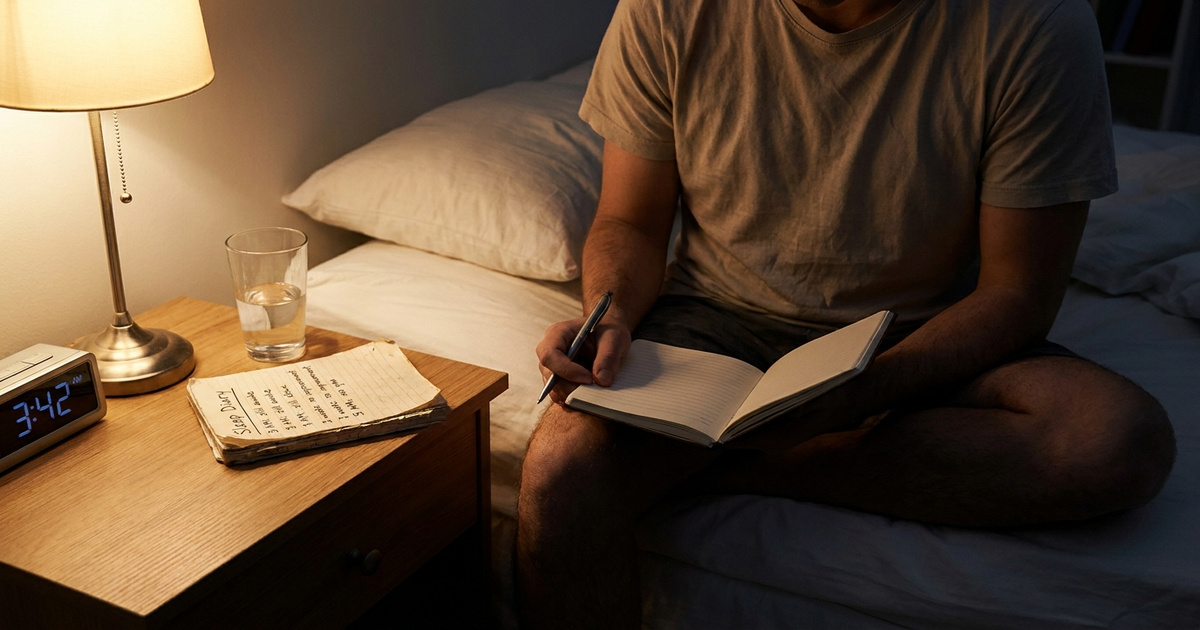
A person sitting on the edge of a bed at night with a sleep diary and a glass of water on the nightstand, representing when to see a doctor for insomnia

By Chester Takau · November 2026

Chester Takau is an independent researcher covering natural sleep remedies. Content is educational and not a substitute for advice from a doctor or pharmacist. More at the about page.

Why do sources give different answers on how long to wait?

Because they answer different questions. WebMD says to see a doctor after more than four weeks of trouble, or sooner if daytime function suffers. Duke Health frames a sleep-specialist referral around roughly three months. Other clinics say outright that you don't need to wait for the three-nights-a-week, three-months diagnostic threshold before asking for help. The three-month figure is about when insomnia counts as chronic. It is not a waiting room rule.

The table below is my own synthesis of those positions, not an official guideline. I built it so each threshold has a reason attached.

The three tiers

Tier What it looks like Why this tier
Watch and adjustUnder about 4 weeks, days still feel manageable, no other symptomsShort spells often have a clear trigger. Keep a sleep diary so you have data if it drags on.
Book a GP visitAbout 4 weeks or more, daytime function suffering, or you rely on melatonin, CBD, antihistamine sleep aids or herbs most nightsThis matches WebMD's four-week mark. Needing a crutch is a signal in itself, whatever the calendar says.
Ask about a specialistAround 3 months of trouble, loud snoring or gasping, restless legs, or sudden sleep attacks in the dayClinicians say polysomnography is mainly for ruling out sleep apnea, restless legs or narcolepsy, not for diagnosing insomnia itself.
Urgent help nowSleeplessness together with thoughts of harming yourself, or sudden severe symptomsThis is general safety advice, not a sleep threshold. Contact emergency services or a crisis line in your country.

General guidance, not medical advice. If you are unsure which row fits, the safer move is the earlier appointment.

When are herbs and supplements no longer enough?

This is the question most guidance pages skip for readers like ours. I found no source giving a tested number of weeks for how long to try an herb before escalating, so I won't invent one. What the sources do say points one way. The American Academy of Sleep Medicine (AASM) advises against diphenhydramine, melatonin and valerian for chronic insomnia, and Johns Hopkins suggests stopping melatonin if it hasn't helped after a week or two. A physician quoted in coverage of a November 2025 heart-failure abstract said melatonin is "not indicated for the treatment of insomnia." That abstract was not peer-reviewed and cannot show cause, but it is another reason to mention long-term use to a clinician.

So my rule of thumb: if a supplement is the only thing between you and a bad night, and that has been true for a few weeks, move up a tier. Whatever you take, bring the list. Gentler options such as melatonin are still active compounds a doctor should know about (see melatonin tolerance and dependence), and because supplements are not reviewed like medicines, this overview of FDA regulation of sleep supplements explains why a doctor or pharmacist should check your list.

Why an earlier visit can be worth it

A September 2026 umbrella review in Sleep Medicine Reviews, covering more than 1.3 million participants, linked insomnia to about 26% higher stroke risk, though results varied a lot between studies. The link to Alzheimer's was fairly consistent, and the link to vascular dementia was mixed. This shows association only, not cause, so it is a reason to take persistent insomnia seriously, not a reason to panic.

The 2026 AASM guideline on combination treatment also matters here. It says cognitive behavioral therapy for insomnia (CBT-I) alone is the most effective first-line treatment. It suggests CBT-I plus medication over medication alone, and suggests against routinely adding medication to CBT-I. Both recommendations are conditional and rest on low-certainty evidence. In practice, a visit is where you can ask for CBT-I instead of leaving with only a prescription.

Video note: Cleveland Clinic's short explainer on warning signs for a specialist referral. I could not read its captions or confirm its upload date, so I am not quoting it.

Which kind of doctor should you see?

Who Good starting point when
GP or family doctorFirst stop for most people. Checks medicines, health conditions and mood that may be driving poor sleep.
Behavioral sleep medicine providerYou want CBT-I, the guideline's first-line treatment. Access is limited in many areas, so ask about telehealth or digital CBT-I.
Sleep physicianSuspected sleep apnea, restless legs or narcolepsy, where a sleep study may be useful.
Psychiatrist or mental health clinicianLow mood or anxiety is prominent alongside the sleep trouble.

How to prepare for the appointment

  • A two-week sleep diary. Bedtime, wake time, night wakings, and how the next day felt. The NHLBI describes the diary as part of how doctors assess insomnia. Night-to-night swings are worth recording, since a May 2026 study suggested variability may be a key feature of chronic insomnia.
  • A full list of what you take. Include herbs, melatonin, CBD, antihistamine sleep aids and caffeine. Mention how long you have used each.
  • Your own questions. For example: could something else be causing this, is CBT-I available to me, and do I need a sleep study?

A note on sleep trackers: Johns Hopkins sleep expert Charlene Gamaldo has warned that tracking devices can lead people to think they have insomnia when they don't. If a device is the only reason you are worried, check whether you feel unrested in the day. If evening screens may be part of the picture, this explainer on blue light and melatonin production is a good primer.

FAQ

Do I have to wait three months before insomnia counts?

No. Three months is the usual line for chronic insomnia, but several clinics say you can seek help earlier, especially if days are suffering.

Will I need a sleep study?

Often not. Clinicians say no single test diagnoses insomnia. A sleep study is mainly used to rule out apnea, restless legs or narcolepsy. One patient blog I found described a normal result and an insurance prior-authorization hurdle, so ask about cost and coverage first.

Do I need a specialist, or is my GP enough?

A GP is a sensible first step. Ask for a referral if the problem persists, if apnea or restless legs is suspected, or if you can't get CBT-I otherwise.

I wake at 3am every night. Is that a reason to go?

If it happens most nights for several weeks and leaves you tired in the day, yes. That fits the GP-visit tier above.

What about the newer insomnia drugs?

A Rutgers-led study of 260 patient reviews of lemborexant found about a third said it improved their sleep, while people who stopped most often cited frightening nights and next-morning grogginess. It is one more thing to discuss with a prescriber, not a verdict.

Sources

Updated November 2026. Facts above come from search summaries and press coverage of the studies, not the original papers. The tier table is the author's synthesis, not a clinical guideline.

Transparency note: This article was researched and written by Chester Takau with AI assistance for research gathering and drafting. All recommendations reflect the author's own editorial judgment.
FDA Regulation of Sleep Supplements: What the FDA Checks and What It Doesn't

FDA Regulation of Sleep Supplements: What the FDA Checks and What It Doesn't

In the US, the FDA does not approve sleep supplements before they are sold. Companies are responsible for making sure a product is safe and labeled truthfully, and the FDA mostly steps in afterward, by inspecting facilities, issuing warnings and requesting recalls. So "unregulated" is wrong, but "FDA-checked" is wrong too. The agency sets manufacturing rules and can act on problem products, yet nobody verifies the dose in your melatonin gummy before it reaches the shelf.

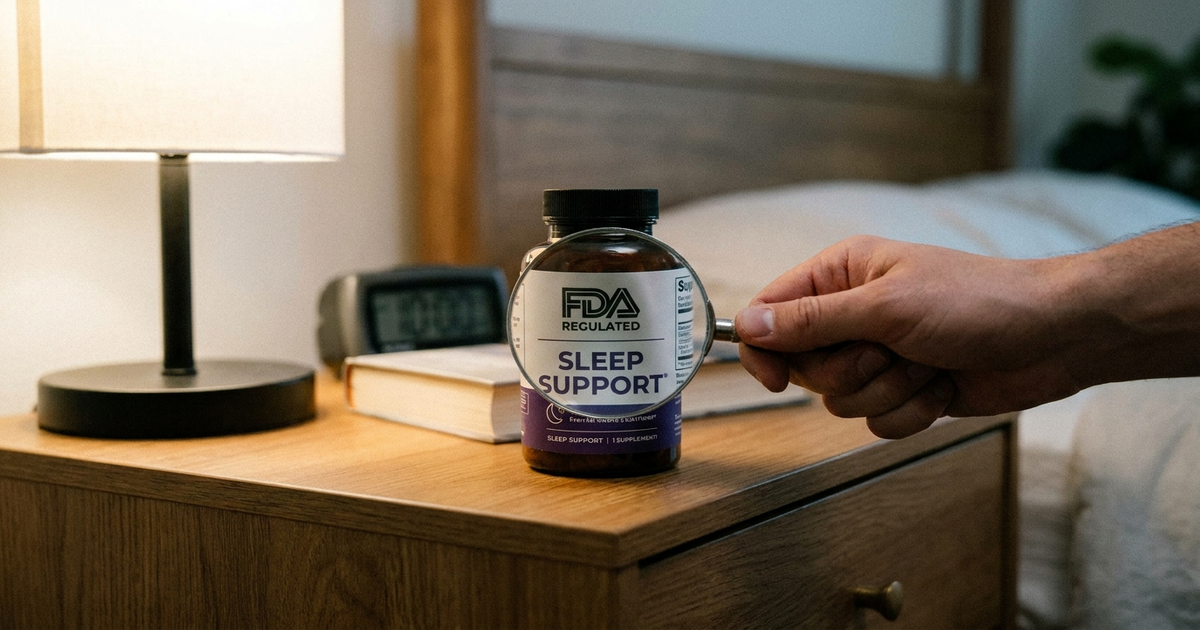
A supplement bottle on a bedside table beside a magnifying glass over its label, representing FDA regulation of sleep supplements

By Chester Takau · November 2026

Chester Takau is an independent researcher covering natural sleep remedies. Content is educational and not a substitute for advice from a doctor or pharmacist. More at the about page.

What the FDA does before and after a supplement is sold

Dietary supplements, including melatonin, valerian, magnesium and ashwagandha, fall under the 1994 Dietary Supplement Health and Education Act (DSHEA), not the drug rules. The practical difference is the order of events.

Question Sleep drug (prescription) Sleep supplement
FDA approval before sale?Yes, safety and effectiveness reviewedNo
Who proves it is safe?The manufacturer, to the FDAThe manufacturer, on its own; the FDA must show a product is unsafe to remove it
Manufacturing rules?YesYes, supplement-specific good manufacturing practice (GMP) rules
ClaimsMust be proven for the approved use"Supports sleep" style claims allowed; may not claim to treat insomnia; label carries an "not evaluated by the FDA" disclaimer
New ingredientsFull approvalIngredients not sold before 1994 need a New Dietary Ingredient (NDI) notification, and the FDA reviews the safety evidence
Problem found laterFDA can withdraw approvalWarning letters, public notices, recalls, seizures

The 2026 enforcement record shows the pattern. In late October the FDA renewed a warning about "Green Lumber" after more samples tested positive for undeclared tadalafil, and listed a recall of a male-enhancement supplement for undeclared sildenafil, tadalafil and dapoxetine. Those are not sleep products, but each was a case of a product already on sale being pulled back.

"Unregulated" versus "that's a myth"

Both camps are partly right. Doctors quoted by Sermo describe melatonin as not fully regulated, and Live Science quotes experts saying it is "being promoted like there's absolutely no risk." The industry group CRN calls "unregulated" the biggest myth and points to GMP rules, facility registration and FDA oversight of ingredients. The accurate middle: there are rules, but they work after the fact, and nobody tests your specific bottle for you.

Does the label dose match what is inside?

Often not, and melatonin is the best-documented case. A 2023 JAMA study found 22 of 25 melatonin gummies mislabeled, with 1.3 to 13.1 mg per serving; one contained CBD and no melatonin. An earlier study of 31 products, summarized by StatPearls, found actual content from 83% below to 478% above the labeled dose. A Mayo Clinic video makes the related point about assuming safety from the shelf:

As Mayo Clinic's Dr. Naima Covassin puts it near the end of the segment:

"Because something is marketed as 'natural' or a product is sold over the counter doesn't mean it's harmless."

Quote note: the wording was checked against Mayo Clinic's published script as syndicated by the News Tribune, not the video captions. The segment dates from 2022.

What label terms actually mean

Label wording What it tells you What it does not tell you
"FDA approved"Should not appear on a supplement; it is a red flagSupplements are not approved. Prescription melatonin-receptor drugs, such as those StatPearls lists, are a different product class.
"FDA registered facility"The plant is on the FDA's facility listRegistration is not an inspection or an endorsement of the product
"Made in a GMP facility"The maker says it follows manufacturing and testing rulesThe FDA may not have inspected it recently; mislabeling studies still found problems
USP, NSF or ConsumerLab sealA private group tested or audited the productNot a government check; each program has its own scope, so read what the seal covers
"Natural"Nothing standardized for safetyWhether it interacts with medicines or alcohol

That last point matters for herbs. Whether a sedating herb is "natural" tells you nothing about mixing it with a drink, which is why it is worth asking a doctor or pharmacist about any combination with alcohol.

Can a "natural" sleep aid hide a drug?

It can happen, and the FDA's public list is how many cases surface. The "Sleep, Skin, Bodybuilding and Other Product Notifications" page was still being updated in June 2026 (latest entry PRE-FORMANCE BLACK, 6/24/2026), but its newest sleep entries are older: bio LIT in February 2025 and Agebox iKids in September 2025. A quiet list does not prove clean shelves. It records what has been found, and detection is mostly reactive, so products sold online by unregistered sellers are the highest-risk group. You can search the list before buying something unfamiliar.

The 2026 rule changes, in plain English

  • Self-affirmed GRAS would end (proposed 2026-08-11). Today a company can decide on its own that an ingredient is "generally recognized as safe" without telling the FDA. The proposed rule (91 FR 51834, Docket FDA-2025-N-3262) would make notifying the FDA mandatory. Comments are due 2026-12-09. It is aimed at food ingredients, so its direct effect on herbs sold as supplements is limited, but supplement makers also use GRAS ingredients such as excipients and flavors.
  • Final NDI guidance (issued 2026-10-19). For a new ingredient, companies are told to document the manufacturing process, specifications, analytical methods and impurities or contaminants. That affects new compounds more than long-sold herbs like valerian.
  • Dietary Supplement Listing Act of 2026 (H.R. 8370, introduced 2026-04-20). It would create the first mandatory FDA listing of each product, with its label, ingredients and claims. It is a bill, not law.
  • Leadership change. Commissioner Marty Makary resigned on 2026-05-12, and Kyle Diamantas, the deputy commissioner for food, became acting commissioner. Supplements sit on the food side. I found no reporting yet on what this means for enforcement, so treat any prediction as speculation.
  • Scope of "dietary substance" (public meeting 2026-03-27). The FDA asked for input on what counts as a dietary ingredient under DSHEA. Industry welcomes a broader definition; critics worry about weaker oversight.

The direction is mixed: stricter on notification, with parts of the industry also pushing for deregulation. None of it changes today's rule that your bottle is not checked before it is sold.

Why melatonin is a supplement here and a medicine elsewhere

The UK, EU and Australia classify melatonin as a medicine, available by prescription, while in the US it is sold as a supplement. That is a legal classification difference, not a finding that the US version is safer or more effective. It also explains the dose pattern people notice: many US pills are 3 to 10 mg, though studies suggest roughly 0.3 mg can work. In a related finding, an AHA 2025 conference abstract of about 130,800 adults with insomnia linked long-term melatonin use to higher heart-failure risk (5% versus 3%). It shows association only, was not peer-reviewed at the time, and critics note that people with insomnia already carry more cardiac risk. It is a reason to ask a doctor about long-term use, not proof of harm.

Herbal and mineral sleep aids are covered by the same framework. Interaction questions are a good example of why this matters: see our 5-HTP and SSRI interaction warning, and check with a doctor or pharmacist before combining any supplement with a medicine. For melatonin specifically, our article on melatonin tolerance and dependence covers long-term use.

Frequently asked questions

Are any sleep supplements FDA approved?

No. Supplements are not approved. Prescription sleep drugs, including some that act on melatonin receptors, are approved, but they are a separate category.

Is it safe to give kids melatonin gummies because they are "just a supplement"?

Being a supplement says nothing about safety. Pediatricians have objected to an untested product spreading among parents, and CDC data show pediatric melatonin ingestions rising. Ask your child's doctor first, and keep gummies stored like medicine.

A supplement bottle on a bedside table beside a magnifying glass over its label, dim evening light

Where do I report a bad reaction?

To the FDA through MedWatch or the Safety Reporting Portal, and also to the company. Keep the bottle, lot number and a note of the dose and timing. Tell your doctor or pharmacist as well.

How can I lower the risk of buying a mislabeled product?

Choose products with an independent testing seal and check what the seal covers, avoid unregistered online sellers, and search the FDA's tainted-product list for the brand. None of these is a guarantee.

Sources

Updated November 2026. Rules and proposals change; check the FDA and Federal Register pages for current status.

Transparency note: This article was researched and written by Chester Takau with AI assistance for research gathering and drafting. All recommendations reflect the author's own editorial judgment.
Does GABA Cross the Blood Brain Barrier? What the Evidence Shows

Does GABA Cross the Blood Brain Barrier? What the Evidence Shows

Probably only in small amounts, and nobody has shown it in people. Early studies mostly found that GABA does not cross the blood-brain barrier. Later animal work found tiny amounts getting through, and the most-cited review (Boonstra et al., 2015) calls the data "often contradictory." As of late 2026 I found no human brain-imaging study showing that oral GABA raises GABA inside the brain. A trial that could answer it directly (NCT06464172) has no posted results.

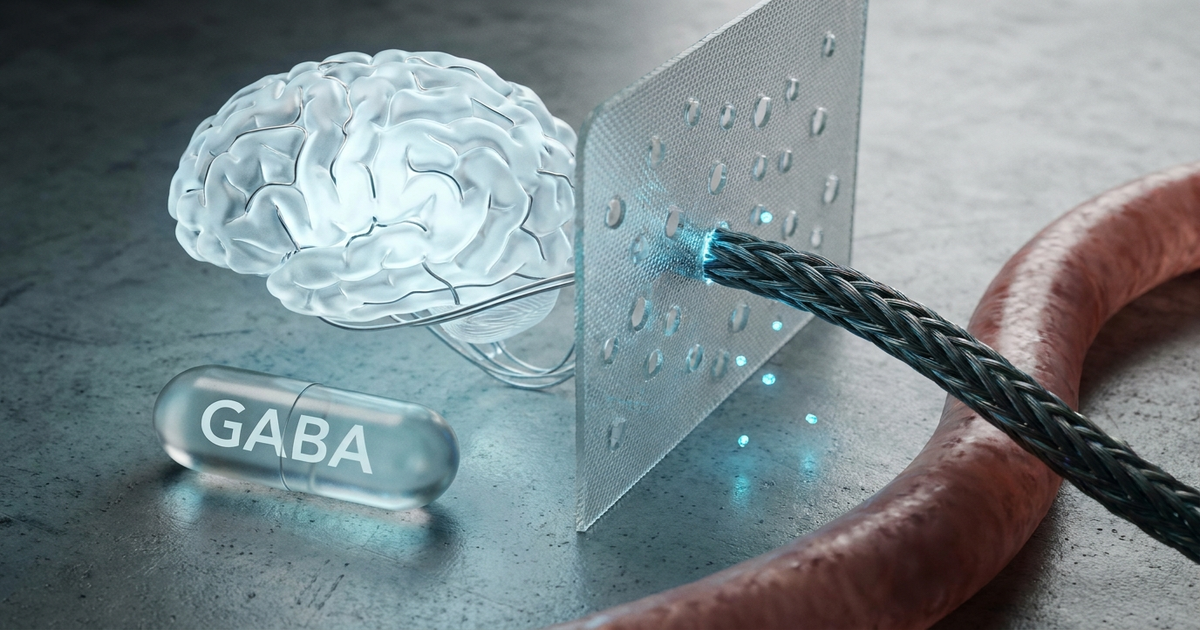
A supplement capsule beside a stylised brain outline with a membrane barrier and a gut-to-brain nerve line, representing whether GABA crosses the blood brain barrier

By Chester Takau · November 2026

Chester Takau is an independent researcher covering natural sleep remedies. Content is educational and not a substitute for advice from a doctor or pharmacist. More at the about page.

What happens to a GABA capsule after you swallow it

Most pages stop at "it doesn't cross." The fuller picture has steps, and the evidence is stronger for some than others.

  • Absorption. GABA does reach the blood. In a pharmacokinetic study of 12 volunteers (Li et al., 2015), blood levels peaked 0.5 to 1 hour after dosing and the half-life was about 5 hours.
  • The barrier. GABA carries a charge, which is why skeptics call it "too polar" to pass easily. Boonstra and colleagues note that several studies still reported small amounts crossing, with widely varying methods.
  • Removal. McGill's Office for Science and Society points out that GABA that does get in may simply be "removed from it very rapidly," which would make it hard to measure and hard to benefit from.

Wikipedia captures the shift: the old view was that supplemental GABA does not cross, but rat research in the 2010s left the question "unclear." A 2025 mouse study reportedly found higher prefrontal GABA after oral dosing, but according to secondary summaries its authors stopped short of claiming direct passage through the barrier.

If it doesn't cross, why do some people feel sleepy?

Three explanations are in play, and they are not exclusive.

The gut route. A 2026 Nutrients review on GABA as a functional nutrient lists vagus-nerve activation and gut GLP-1 release as proposed mechanisms, but those rest on animal and cell models. There is human data that oral GABA does something in the gut: a May 2026 crossover pilot in 20 people with diarrhea-type IBS (18 finished) found a clinical response in 66.7% on GABA versus 33.3% on placebo, with a significant drop in IL-1β (p = 0.02). That is small, and it says nothing about sleep. It does show an effect without needing brain entry. The vagus nerve connects gut and brain, which is why this route keeps coming up.

Other ingredients and expectation. In the Reddit threads I read, some commenters credit the magnesium taken alongside GABA for the calm. Placebo response is also real in small sleep trials.

A little gets in. If small amounts do cross, even a modest effect is possible. This is the part nobody has settled.

One claim to treat carefully: the supplement brand Troscriptions argues that feeling GABA's effects means you have a leaky barrier. That comes from a company selling an alternative product, and I found no neutral source supporting it.

Thomas DeLauer covers this in the "Do GABA Supplements Work?" chapter, starting around 02:34. After describing animal injection studies, he says:

"we have not seen this replicated in humans" … "so we cannot say yes or no Gaba supplements get into the brain"

Quote note: the words come from an auto-caption transcript on a third-party mirror, and I could not check them against the audio. The video is from 2024, and DeLauer is a nutrition creator, not a researcher.

GABA versus compounds that do cross

People often ask why phenibut, gabapentin, baclofen and picamilon work on the brain when GABA supposedly doesn't (the question McGill's explainer addresses). They are different molecules, built or modified in ways that change how they interact with the barrier.

Compound Reaches the brain? Note
Oral GABAUnresolvedContradictory animal data; no human brain-imaging proof
PhenibutCited as crossingCarries risks and regulatory issues; not a sleep supplement to casually try
Gabapentin, baclofenCited as crossingPrescription drugs; OTC GABA is not a substitute, so ask your prescriber before stopping one
PicamilonCited as crossingGABA bonded to niacin; regulatory status varies, so check locally

Herbs are a separate case. Plants such as skullcap are discussed for calming effects through other pathways; our explainer on what skullcap herb is and how American and Chinese skullcap differ covers what is and is not known there.

How good is the sleep evidence?

Modest. A 2020 systematic review (Hepsomali et al.) found "limited evidence for stress and very limited evidence for sleep." The positive sleep trials are small, mostly Japanese and often industry-funded; the key Yamatsu 2016 trial had about 10 subjects. Whether a product is fermented (such as PharmaGABA) or synthetic is rarely compared head to head, and I found no independent evidence that liposomal or "nano" GABA crosses better.

What could settle it

Université de Sherbrooke registered NCT06464172, with 30 participants. It measures serum GABA and TMS short-interval cortical inhibition 40 minutes after oral GABA versus placebo, which is a direct test of whether oral GABA changes brain activity. The estimated primary completion date was May 2026, but the registry was last updated February 2025 and listed it as "not yet recruiting." I found no results.

Frequently asked questions

Does feeling GABA's effects mean my barrier is leaky?

No neutral source supports that. The claim comes from brand content. Gut and nerve effects, other ingredients and expectation are simpler explanations.

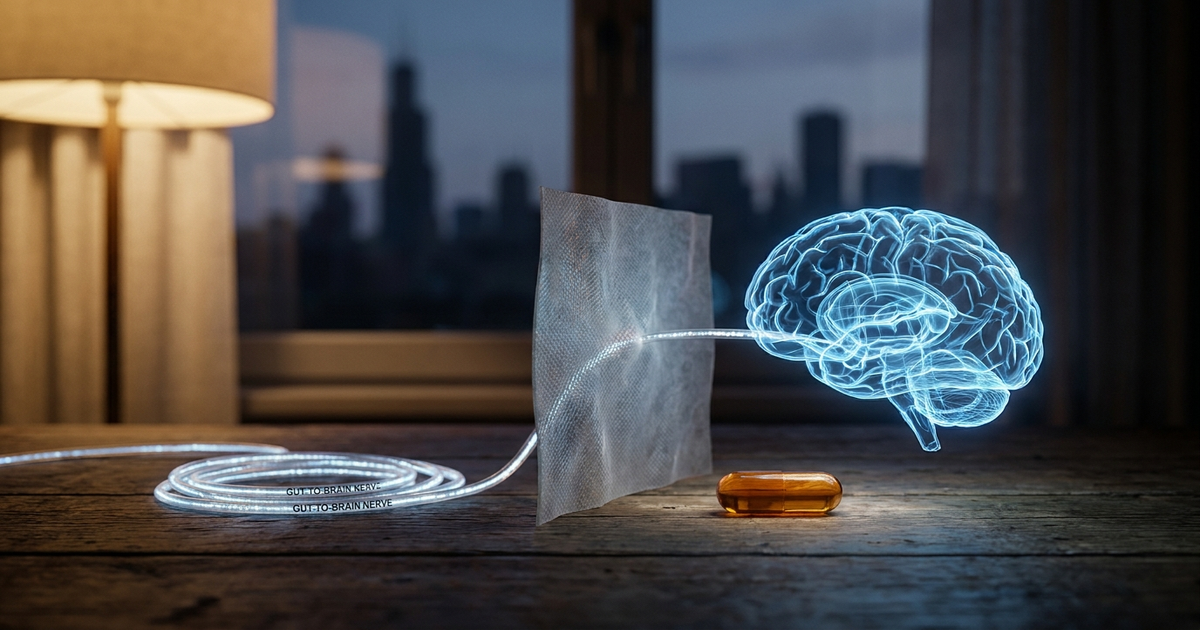
A capsule beside a stylised brain outline with a membrane barrier and a gut-to-brain nerve line, dim evening light

Is GABA safe to take?

A 2026 rat study found no reproductive or developmental toxicity from repeated oral GABA. That is useful context but not human long-term safety data, and it does not address the barrier. People ask about tolerance and rebound anxiety, and I found no good data on either. If you take sedating medication, ask a pharmacist first.

Does liposomal GABA cross better?

I found no independent evidence either way.

Sources

Updated November 2026. Reddit threads were read through a snapshot mirror, so post dates are estimates.

Transparency note: This article was researched and written by Chester Takau with AI assistance for research gathering and drafting. All recommendations reflect the author's own editorial judgment.
5 HTP SSRI Interaction Warning: What the Case Reports Actually Show

5 HTP SSRI Interaction Warning: What the Case Reports Actually Show

Do not take 5-HTP with an SSRI such as sertraline (Zoloft) or escitalopram (Lexapro) unless a prescriber is supervising it. The SSRI keeps serotonin active in the brain, and 5-HTP supplies the raw material for more of it. That "double hit" can cause serotonin syndrome, which in severe cases can be fatal. Drugs.com rates the combination "generally not recommended," and Patient.info, Memorial Sloan Kettering and the National Capital Poison Center all advise against it. If you have already taken both and feel unwell, get medical help right away.

A supplement bottle beside a pill organiser and a bedside clock with a small warning triangle, representing the 5-HTP and SSRI interaction warning

By Chester Takau · November 2026

Chester Takau is an independent researcher covering natural sleep remedies. Content is educational and not a substitute for advice from a doctor or pharmacist. More at the about page.

Why the combination is risky

Your body converts 5-HTP into serotonin. SSRIs work by slowing the reuptake of serotonin, so more of it stays available. Add 5-HTP on top and serotonin activity can climb past what the body handles well. Patient.info describes it as a double hit: the drug blocks reuptake while the supplement supplies the building block. Serotonin syndrome is the result of too much serotonergic activity, and it ranges from mild to life-threatening.

Many people reach for 5-HTP as a sleep aid, not a mood supplement. That makes this a sleep-supplement safety question as much as a depression one. If you are on an antidepressant and shopping for something to help you rest, this is the interaction to check first.

"No human cases" versus the documented cases

You may see the claim that serotonin syndrome has never been reported in humans with 5-HTP. Wikipedia says so, and so does a 2017 ClinicalTrials.gov protocol (NCT02922725). The published literature says otherwise. Two cases stand out:

A supplement bottle beside a pill organiser and a bedside clock, with a small warning triangle, dim evening light
  • 2017, American Journal of Case Reports: a 28-year-old man on sertraline took Natrol 5-HTP before a workout. He developed serotonin syndrome, then rhabdomyolysis and acute compartment syndrome, and needed emergency fasciotomies of both legs and a forearm. The authors rated the link "probable" on the Naranjo scale (Patel & Marzella).
  • National Capital Poison Center: a 33-year-old woman on Zoloft took seven 5-HTP tablets for anxiety. She reached the ER with nausea, diarrhea, agitation, hallucinations, tremor, a fast heart rate, sweating and muscle spasms, and was hospitalized for three days. The poison center judged the interaction the likely cause (Poison.org).

Case reports are not trials, and they cannot tell you how often this happens. They do show that "never reported" is wrong. The more defensible statement is that the risk is hard to quantify and the downside is severe, which is why the advice stays cautious.

The case for caution is stronger than the case for benefit

Poison.org calls the evidence that 5-HTP works "inconclusive," and Medical News Today reports there is not enough evidence that it beats placebo for depression. So the trade is a documented risk against an unproven benefit.

There is a counterpoint. Alice W. Lee, MD, a holistic psychiatrist, wrote in 2020 that psychiatrists overstate the risk. She recommends 50 to 100 mg of 5-HTP at bedtime during SSRI tapers and says that in 18 years of using it for SSRI withdrawal, no one has developed serotonin syndrome. That is one clinician's experience, not a trial. Researchers have also studied 5-HTP as an add-on to SSRIs and SNRIs, but that happens under trial monitoring. Doctronic's guidance says lowering your SSRI while adding 5-HTP "should never be attempted without medical supervision."

Other drugs and supplements with the same problem

SSRIs are the common case, not the only one. Sources in the research for this article name several other serotonergic drugs. Check any of these with a pharmacist before using 5-HTP:

Substance Type What the sources say
Sertraline, escitalopramSSRI"Generally not recommended" (Drugs.com); documented cases above
Duloxetine, venlafaxineSNRIUsually listed as a concern without detail; ask a pharmacist
Trazodone, triptans, tramadol, dextromethorphanOther serotonergic drugsCommonly flagged for serotonin syndrome risk; ask a pharmacist
LinezolidAntibiotic with MAOI activityMSK cites a serotonin syndrome case with 5-HTP
St. John's wortHerbal supplementListed alongside the others as a serotonergic concern

Bupropion (Wellbutrin) is not an SSRI, and the sources I found did not settle whether 5-HTP is safe with it. That is a question for your prescriber, not a green light.

Watch the label: 5-HTP hides in blends

5-HTP is typically extracted from the seeds of Griffonia simplicifolia. Mood, appetite, "natural GLP-1" and sleep stacks often contain 5-HTP or griffonia seed extract. If you take an SSRI, scan every supplement label for either term. A 2025 Cureus case report describes delayed serotonin syndrome in a 27-year-old woman on sertraline 100 mg who used an unregulated weight-loss supplement for about two months. That product did not contain 5-HTP, but it shows how an SSRI patient can run into trouble with a supplement they never thought to mention (Kyi et al., Cureus, Oct 2025).

Separately, older 5-HTP products have been linked to contaminants associated with eosinophilia-myalgia syndrome. Poison.org suggests choosing USP-Verified products.

Serotonin syndrome: what to watch for

The two case reports above list the warning signs seen in practice: agitation, tremor, sweating, a racing heart, diarrhea, nausea, hallucinations and muscle spasms. Muscle rigidity and breakdown, as in the 2017 case, mark the severe end. If these appear after taking 5-HTP with an SSRI, treat it as urgent and go to an emergency department or call your local poison control line.

Video note: search summaries say the physician presenter warns against combining 5-HTP with antidepressants. I could not check the transcript, and the video also makes a dopamine-depletion claim that I could not support, so treat it as a viewpoint, not a source.

How long should you wait after stopping an SSRI?

No source I found gives a well-supported answer. Doctronic says most providers recommend waiting at least two weeks after stopping Lexapro before starting 5-HTP, but it cites nothing for that number. Half-lives differ between SSRIs, and fluoxetine stays in the body far longer than sertraline or escitalopram. The five-week washouts you may have seen apply to fluoxetine and MAOIs under drug-label rules, and they are not 5-HTP guidance. Ask your prescriber or pharmacist for a timeline that fits your specific drug and dose.

Sleep options if you take an antidepressant

Every option still needs a check with your pharmacist, because "natural" does not mean interaction-free. Melatonin is a different mechanism from 5-HTP; see our notes on melatonin tolerance and dependence before using it nightly. Magnesium and basic sleep hygiene carry their own considerations. If you are exploring herbs, our explainer on what skullcap herb is and how the American and Chinese types differ is a starting point, though it is not a statement that skullcap is safe with any antidepressant.

Frequently asked questions

Is a low dose of 5-HTP (25 to 50 mg) safe with sertraline?

The sources do not define a safe dose. The sertraline and Natrol 5-HTP case and the Zoloft case both involved ordinary supplement use, and mainstream guidance says to avoid the combination without supervision.

Is it safe to take 5-HTP at night and my SSRI in the morning?

One blogger recommends spacing doses six hours apart, with prescriber approval. I found no clinical evidence that spacing removes the risk, so do not rely on it.

Can 5-HTP help with SSRI withdrawal?

Some holistic clinicians use it that way, and others warn against it. Mainstream sources say never attempt this without medical supervision.

Is 5-HTP as effective as an SSRI?

The evidence is inconclusive, so swapping an SSRI for 5-HTP on your own is not supported. Do not stop a prescribed antidepressant without talking to your prescriber.

Sources

Updated November 2026. I found no new regulatory action or 2026 clinical study on 5-HTP plus SSRIs; the newest items are updated consumer and clinical guidance pages.

Transparency note: This article was researched and written by Chester Takau with AI assistance for research gathering and drafting. All recommendations reflect the author's own editorial judgment.
Melatonin Tolerance and Dependence: What the Evidence Says About Nightly Use

Melatonin Tolerance and Dependence: What the Evidence Says About Nightly Use

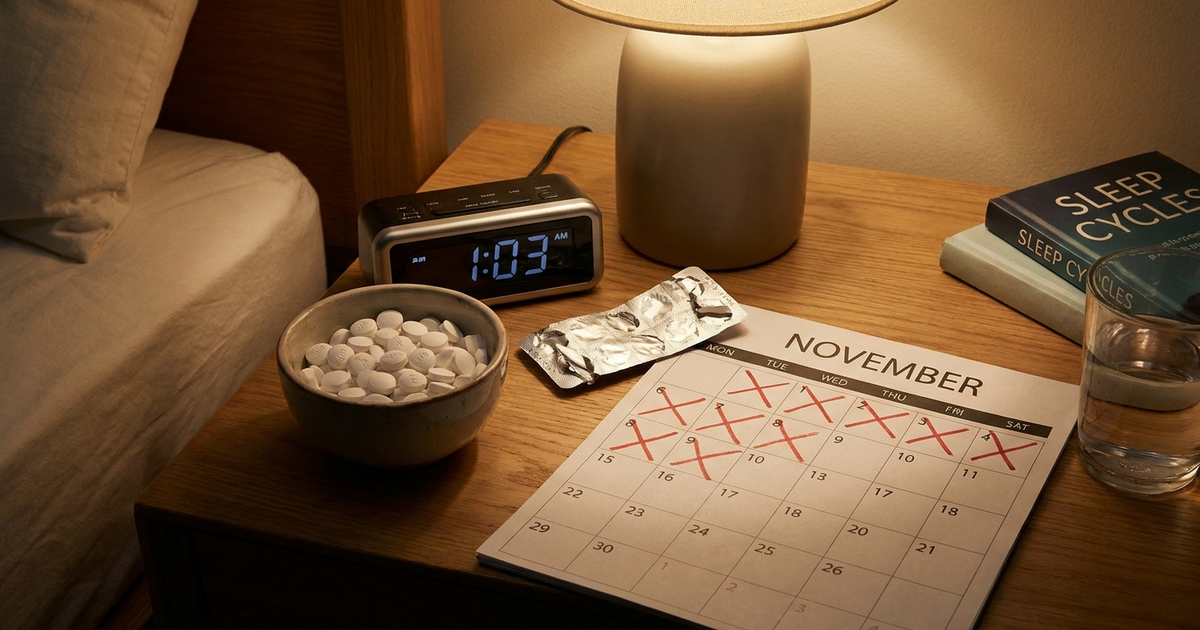
Melatonin is not considered physically addictive, and there is little evidence of true pharmacological tolerance. But "it stopped working" and "I sleep worse when I skip it" are both common, and they usually have other explanations. A 2011 open-label study of 6 to 12 months of prolonged-release melatonin found no rebound or withdrawal. Cleveland Clinic's Dr. Marri Horvat says there is no need to wean off it. Stanford's Dr. Jamie Zeitzer says you can become psychologically dependent on it. Long-term safety data, meanwhile, is thin and the newest headlines are worrying but preliminary.

A dish of melatonin tablets beside a bedside clock and a calendar with nights crossed off, representing melatonin tolerance and dependence

By Chester Takau · November 2026

Chester Takau is an independent researcher covering natural sleep remedies. Content is educational and not a substitute for advice from a doctor or pharmacist. More at the about page.

Is melatonin addictive?

Not in the way people mean when they use that word. A viral TikTok claim called it "highly addictive" and drew a doctor's rebuttal in UK press coverage. The expert consensus I found is that melatonin does not cause cravings, escalating physical dependence or a benzodiazepine-style withdrawal syndrome. Zeitzer, via Rise Science, puts the caveat plainly: it "isn't addictive, but you can become psychologically dependent on it." Believing you cannot sleep without a pill can make sleep harder, whatever is in the pill.

I found no new 2026 study specifically on melatonin tolerance, withdrawal or tapering. The best-cited evidence is older, so treat the confident-sounding expert statements as informed opinion on a thin research base.

Why does melatonin seem to stop working?

Forum threads repeat the same stories: it worked for a couple of years and then quit, or "you quickly build up a tolerance." Experts generally put these down to causes other than true tolerance. The table below sorts the four most likely explanations. It is my synthesis of the sources, not a clinical tool.

"It stopped working": four explanations compared

Explanation What it looks like Evidence
True toleranceSame dose, same timing, steadily weaker effectLittle. The 2011 long-term study reported no loss of effect or rebound over 6–12 months
Wrong dose or timingTaken at bedtime, or at 5–10 mg, expecting a sedative effectCommon. Cleveland Clinic suggests 1–3 mg, 1–2 hours before bed
Label varianceResults differ between bottles or brandsReal. A JAMA analysis found content from 74% to 347% of the label; Cleveland Clinic cites 80–400%
Insomnia returning, or psychological dependenceWorse sleep after skipping a night, worry about going withoutPlausible. Experts attribute it to the original sleep problem or to habit, not withdrawal

The "dosing artifact" idea is worth sitting with. Some commenters argue 0.3–1 mg is enough and that standard 3–10 mg pills are too much; that is a debate, not settled fact. But if a bottle can hold anywhere from three-quarters to more than three times its label, a "tolerance" story built on one bottle can be a different dose every month. UCLA Health's advice (June 2026) is the smallest effective dose, short term and as needed, in "USP Verified" products.

Timing and expectations matter too. Sleep physician Dr. Emma Lin told VICE that melatonin "doesn't directly sedate patients" and instead acts on circadian rhythm, and Dr. Michael Breus calls it a sleep regulator, not a sleep initiator. Treating it like a sedative, then raising the dose when it disappoints, is a recipe for the "tolerance" reports. The same timing logic is why it is better evidenced for travel; see melatonin for jet lag and how timing changes the result.

Does taking melatonin shut down my own production?

Cleveland Clinic says there is no evidence it suppresses the body's own production, and the 2011 open-label study of prolonged-release melatonin reached a similar conclusion over 6 to 12 months. That study was open-label, with no placebo group, so it can't rule out subtle effects. It is also much shorter than the years of nightly use many people report.

What does the heart-failure study mean for nightly users?

This is the finding that sent people searching. ScienceAlert (Oct 2026) reported on a study of more than 130,000 adults with insomnia. Those prescribed melatonin for over a year had a higher five-year risk of heart failure: 4.6% against 2.7%, an 89% relative increase but roughly one extra case per 53 long-term users. They were also about twice as likely to die from any cause (7.8% vs 4.3%) and about 3.5 times as likely to be hospitalized for heart failure. Saudi Arabia's drug regulator issued a safety signal in April 2026, calling the evidence "suggestive for causal association."

The limits are large. The work was presented at the AHA Scientific Sessions in November 2025 and is not peer-reviewed. It is observational, and melatonin use was estimated from prescription records, so people buying it over the counter may sit in the comparison group. UCLA Health's coverage notes critics' concern that confounders such as mental health and obesity were not adjusted for. The study does not show that melatonin causes heart failure, and it says nothing about tolerance. If you have taken it nightly for years, the sensible step is to raise it with your doctor, not to quit overnight in a panic.

For balance, an ASA review at ANESTHESIOLOGY 2026 of 16 studies and more than 1,100 surgical patients linked 1–20 mg to less anxiety, pain and inflammation. It is also a conference presentation, not a full paper. Most trials last under 7 days, so what happens after years of use is a real gap.

What does one expert say about physical dependence?

A guest neuroscientist on Thomas DeLauer's channel addresses the question directly. Two cautions: the video is reported by third-party listings to be a paid brand partnership, and DeLauer is not a clinician. The quote comes from an auto-generated transcript with no speaker labels, so I could not verify the guest's name.

"I've never seen any data to indicate that there's any physical dependence on melatonin that I'm aware of."

That matches the mainstream view, though "never seen data" is not the same as "data shows none," and the long-term data gap applies here too.

How do I stop taking melatonin after years of nightly use?

Experts say you don't need to taper, yet forum threads about getting off melatonin keep appearing, and people who skip one night after months of use report sleeping worse. Both can be true: the physical risk is low, and the habit is still hard to break. I found no trial of a tapering protocol, so the following is an illustration of the gentle step-down idea, not a tested schedule:

A small dish of melatonin tablets beside a bedside clock and a calendar with several nights crossed off, dim evening lig
  • Move to the lowest effective dose first, for example from 3 mg to 1 mg, and then lower still, such as 0.5 mg.
  • Move to every other night once the lower dose feels uneventful, then to as-needed use.
  • Keep bedtime, wake time and light exposure steady. CBT-I habits are the best-supported long-term fix for insomnia.
  • Expect a few poor nights. Sleeping badly after stopping is more likely your original insomnia returning than withdrawal.

If you take other medicines, are pregnant, or have a heart condition, ask a doctor or pharmacist before changing anything. The MGH Center for Women's Mental Health published a pregnancy update in October 2026; I did not verify its conclusions, so check it directly.

What about herbal alternatives when coming off it?

This is where I'd like to hand you a ranked list, and I can't. I found no good evidence-graded comparison of tart cherry, magnesium, valerian, chamomile and glycine for people stepping down from melatonin, and none of them is free of its own cautions. The chamomile compound is one example worth reading about on its own: what apigenin is and how chamomile's calming compound works covers what is and isn't proven. Swapping one nightly crutch for another does not address the habit itself.

Quick answers

Should I skip nights so it keeps working? There is no evidence this prevents tolerance. If you only need it sometimes, use it as needed.

Is 3 mg too much? Cleveland Clinic recommends 1–3 mg, 1–2 hours before bed. Some argue lower is enough. Verify the product, because the label may be off by a wide margin.

Will I get withdrawal? Experts say no physical withdrawal syndrome. Poor sleep after stopping is common and usually temporary or from the underlying insomnia.

Sources

Updated November 2026.

Transparency note: This article was researched and written by Chester Takau with AI assistance for research gathering and drafting. All recommendations reflect the author's own editorial judgment.
Melatonin for Jet Lag: When It Works, How Much, and Who Should Skip It

Melatonin for Jet Lag: When It Works, How Much, and Who Should Skip It

Melatonin for jet lag works best when you fly east across five or more time zones and take it close to bedtime at your destination. The Cochrane review of 10 trials found 8 showed a benefit, and the effect was strongest eastbound. Taken at the wrong time of day it can make you sleepy and slow your adjustment. It does little for a short westbound hop, and it is not for everyone: people with epilepsy or on warfarin need to ask a doctor or pharmacist first.

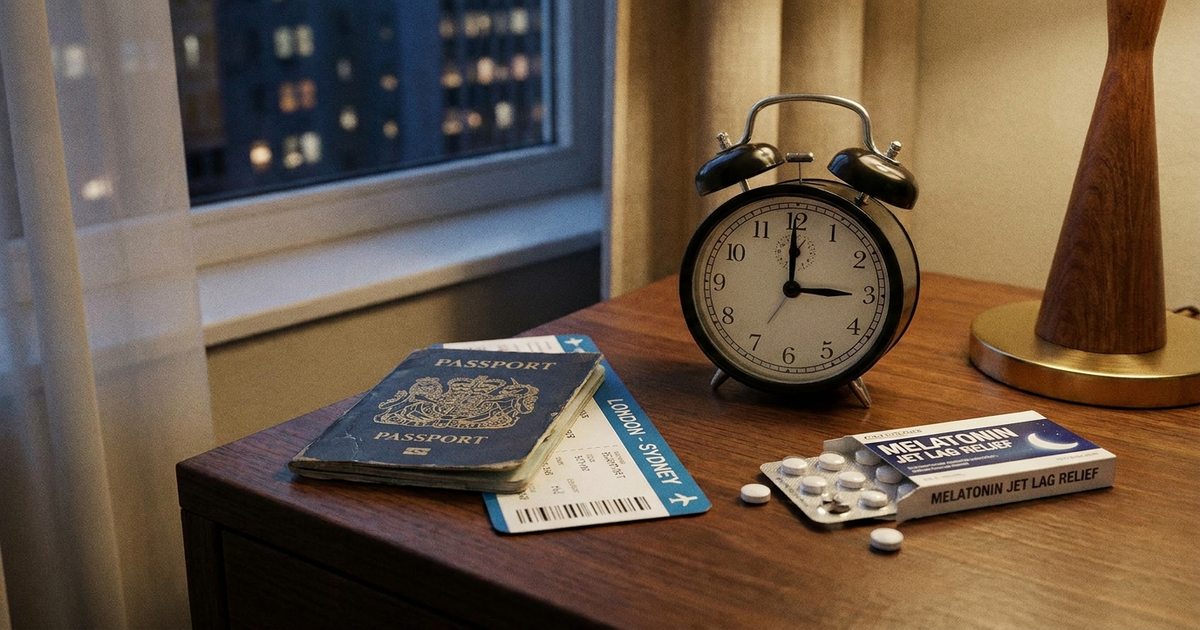
A passport and boarding pass beside a bedside clock and a blister pack of tablets, representing melatonin for jet lag after a long flight

By Chester Takau · November 2026

Chester Takau is an independent researcher covering natural sleep remedies. Content is educational and not a substitute for advice from a doctor or pharmacist. More at the about page.

Does melatonin actually help with jet lag?

A passport and boarding pass beside a bedside clock and a small blister pack of tablets, dim evening light

Yes, modestly, and this is still the main evidence in 2026. The Cochrane review (CD001520) found that melatonin taken near the destination bedtime (10pm to midnight) reduced jet lag on flights crossing five or more time zones, especially eastward. I found no new 2026 peer-reviewed trial specifically on melatonin for jet lag. Most pages dated 2026 are commercial blogs repeating older research.

One distinction clears up a lot of forum confusion. Melatonin can help you fall asleep, and it can also nudge your body clock, but those are different jobs. Timing matters more for clock-shifting than dose does. Forum users often report that it gets them to sleep but doesn't keep them asleep, which is why it is not much use as an in-flight sleep aid.

Should I take it? A direction-by-zones guide

Cochrane's trials cover five or more zones, and several sources say benefit is strongest eastbound. Below that, the evidence is thin. The table is my reading of those findings, not a clinical rule.

Melatonin and jet lag: where the evidence points

Trip What the sources suggest Confidence
Eastbound, 5+ zonesMost likely to help; Cochrane and Timeshifter both say benefit is strongest hereBest supported
Westbound, 5+ zonesSome trials included it, but coverage says westbound travellers may not need itWeaker
Under 5 zones, either wayNot covered by the Cochrane trials; probably not worth it, in my readingLittle direct evidence

When should I take it: on the plane or after landing?

Aim for bedtime at your destination, not your body's current time. Cochrane warns that taking it early in the day can make you sleepy and delay adjustment. Healthline advises taking it after arrival. A meta-analysis found that starting before the flight added nothing over taking it only after arrival, though MedCram's protocol starts three days before eastward travel. Sources disagree here, and the plain version (destination bedtime, from the first night) has the most backing.

How much melatonin for jet lag is enough?

Advice varies widely, so here is what each source says rather than a single number from me:

  • Cochrane: 0.5 mg and 5 mg worked about equally well, though people fell asleep faster on 5 mg.
  • Timeshifter: 0.5–3 mg of immediate-release melatonin.
  • A clinical review: start at 2–3 mg, going up to 5 mg if needed.
  • Forum users: some say only 10 mg works for them. That is anecdote, not trial data.

Jet-lag guidance favours immediate-release melatonin. A 2026 randomised trial of 2 mg sustained-release melatonin found side effects no different from placebo in poor sleepers, but that is a different product used for a different purpose. Several forum posters suggest a trial night at home before the trip, which is sensible advice that articles rarely mention: you find out about next-day grogginess before it costs you a meeting.

Is the heart-failure headline a reason to avoid it?

A preliminary study presented at the AHA Scientific Sessions 2025 looked at 130,828 adults with insomnia in the TriNetX records database. People with 12 or more months of recorded melatonin use had about a 90% higher five-year risk of heart failure (4.6% vs 2.7%). Heart-failure hospitalisation was 19.0% vs 6.6%, and death from any cause was 7.8% vs 4.3%. ScienceDaily republished it in August 2026.

Three limits matter for travellers. It shows an association, not that melatonin caused the outcomes. It is a conference presentation, not a peer-reviewed paper. And it is about chronic nightly use in people with insomnia, not a three-to-five-night travel course. A 2026 review in Frontiers in Nutrition calls it “a safety signal that merits significant clinical consideration” while noting possible leftover confounding. A short jet-lag course and years of nightly use are different exposures, and almost nobody separates them. If you take melatonin regularly, that is a conversation for your doctor.

What does a sleep researcher say about it?

Andrew Huberman takes a behaviour-first view. In the melatonin segment of his jet-lag episode (it starts around 16:50), he says:

"You take melatonin, it helps you fall asleep." … "I have a bias toward behavioral things."

The two lines come from separate moments in the segment. He favours light, temperature and exercise, and raises melatonin's suppression of GnRH, the hormone that drives reproductive hormones. For a more on-topic physician explainer, MedCram's “Conquer Jet Lag with Light and Melatonin” pairs timed melatonin with light exposure.

Who should skip it, and what about labels?

  • Epilepsy and warfarin: Cochrane specifically warns about both. Ask a doctor or pharmacist first.
  • Pregnancy and children: forum threads ask about family trips constantly; I found no solid source that settles it, so get clinical advice.
  • Side effects: Mumsnet replies mention a next-day hangover feeling and mild headache. Most of the 18 replies still said it helped in the first few nights after a long-haul flight.

Labels are a real problem. A 2023 JAMA study found 22 of 25 melatonin gummies were mislabelled, with actual melatonin from 74% to 347% of the stated amount, and some containing unlisted CBD. In May 2026, Dkiru LLC recalled Adndale Magnesium Glycinate Gummies because they contained melatonin that was not on the label. For a travel course, plain immediate-release tablets with third-party verification (such as USP) avoid that spread better than gummies. If you also use calming plant compounds around travel, the guide to what apigenin is and how chamomile's compound works covers what is and isn't proven there.

Can I buy it everywhere?

No. It is sold over the counter in the US, though supplements there are unregulated. In the UK it is prescription-only. In Australia, the TGA made immediate-release melatonin of 5 mg or less a Pharmacist Only (Schedule 3) medicine for jet lag in adults 18 and over, in packs of up to 10; one industry alert gives 1 June 2023 as the start date. Check the rules at your departure and arrival countries before packing it.

Sources

Updated November 2026.

Transparency note: This article was researched and written by Chester Takau with AI assistance for research gathering and drafting. All recommendations reflect the author's own editorial judgment.